Crafting the Perfect Food and Drinks Menu for Important Events
Every memorable event has one common thread: great food and drinks. Whether it’s a wedding, corporate gala, milestone birthday, or high-profile fundraiser, the menu plays a pivotal role in shaping guests’ experiences. A thoughtfully curated food and drinks menu not only satisfies appetites but also reflects the tone, theme, and significance of the occasion. Here’s a comprehensive guide to crafting the perfect menu that leaves a lasting impression.
Understanding the Event’s Purpose and Audience
Before diving into dishes and drinks, it’s crucial to assess the event’s purpose and the profile of the attendees. A black-tie charity gala demands a different menu than a casual outdoor engagement party. Similarly, the age, dietary preferences, and cultural backgrounds of guests will greatly influence your food and beverage choices.
- Corporate events typically call for elegant, functional food that allows for networking—think canapés, elegant plated meals, and drink pairings that encourage mingling.
- Weddings often require a more emotionally resonant menu, possibly reflecting the couple’s heritage or love story.
- Private celebrations like birthdays or anniversaries may be more playful or nostalgic in their menu selection.
- Cultural or religious events may require adherence to specific dietary laws or traditions.
Key Questions to Ask:
- What is the tone/formality of the event?
- Are there dietary restrictions to accommodate (vegan, halal, kosher, gluten-free)?
- Will the meal be seated, buffet-style, or passed hors d’oeuvres?
- How long will the event last?
- Will alcohol be served, and if so, how extensive should the selection be?
The Anatomy of a Perfect Menu
A well-balanced menu is more than just a list of dishes. It’s a narrative that complements the event’s flow, from the opening toast to the final bite of dessert. It should excite the palate, appeal to multiple preferences, and deliver on both presentation and taste.
1. Appetizers and Starters
The opening act of the culinary experience should whet the appetite without overwhelming. Starters also play a logistical role, especially during arrival, photos, or speeches.
Popular Options:
- Bite-sized hors d’oeuvres: Mini tartlets, skewers, sliders
- Elegant soups or consommés served in shot glasses
- Cold platters: Charcuterie, cheese boards, or antipasti
Pro Tips:
- Offer at least one vegetarian or vegan appetizer.
- Mix hot and cold options for variety.
- Avoid overly messy or odorous choices.
2. Main Course: The Centerpiece
This is the most anticipated part of the meal, and it must shine. The main course should be hearty yet refined and accommodate dietary preferences.
Serving Styles:
- Plated: Offers elegance and control over portions and timing.
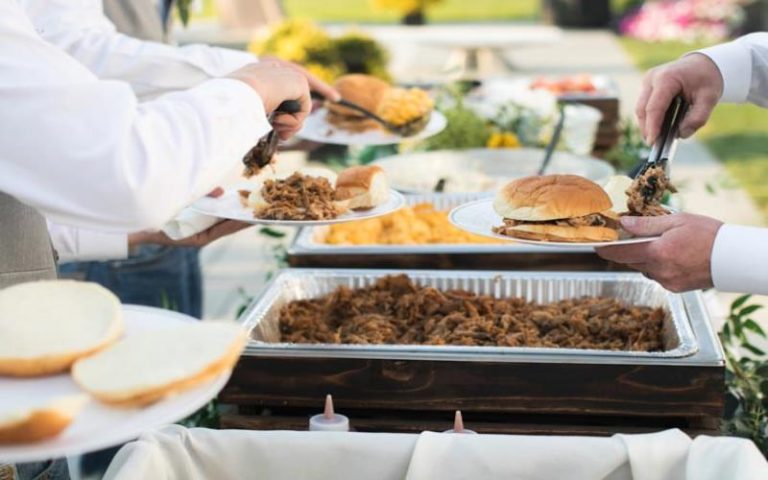
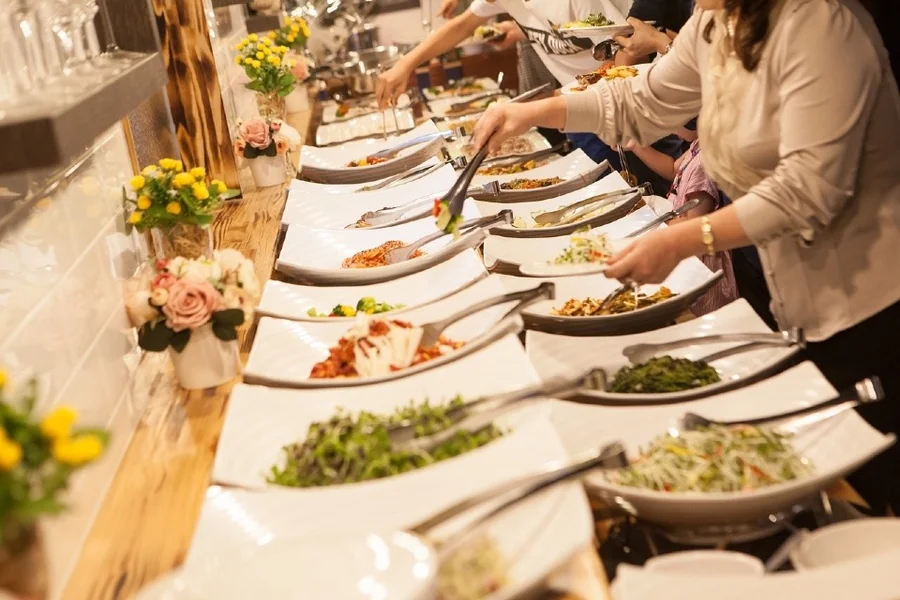
- Buffet: Encourages variety and flexibility.
- Family-style: Encourages interaction and a warm atmosphere.
Sample Entrée Ideas:
- Herb-crusted lamb with minted peas and jus
- Seared salmon with citrus beurre blanc and asparagus
- Wild mushroom risotto with truffle oil (vegetarian option)
Tips:
- Always include a red meat, poultry or fish, and a vegetarian option.
- Consider the side dishes carefully—they should complement the main without overpowering it.
- Use fresh, seasonal ingredients to enhance flavor and reduce costs.
3. Desserts: Sweet Finale
Dessert is more than an afterthought—it’s the lasting flavor your guests leave with.
Popular Choices:
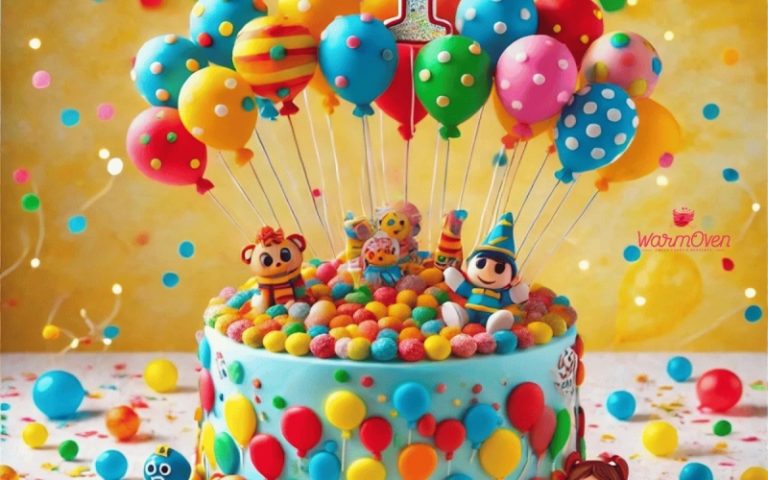
- Classic cakes: Especially important for weddings or birthdays
- Mini dessert bars: Brownie bites, macarons, mousse cups
- Fruit-forward desserts: Especially suitable for summer or outdoor events
Dessert Table Trend: Let guests sample multiple mini desserts instead of a single slice of cake. This interactive experience encourages variety and indulgence.
Don’t Forget:
- Offer a sugar-free or low-calorie dessert option.
- If serving coffee or tea, coordinate with dessert timing.
Drinks That Complement and Elevate
The beverage program should be as carefully curated as the food. Drinks set the tone—whether celebratory, sophisticated, or relaxed. For events that prioritize both convenience and style, on-trend bar cart hire services can offer a mobile, visually appealing drink station that becomes a focal point of the celebration.
1. Welcome Drinks and Cocktails
Start strong with a welcome cocktail or signature drink. It’s a chance to showcase creativity and hospitality.
Examples:
- Sparkling elderflower mocktail
- Cucumber gin fizz
- Lavender lemonade
Pro Tip: Offer one alcoholic and one non-alcoholic welcome drink.
2. Wine and Food Pairings
Wine pairing can elevate the meal significantly. Work with a sommelier or knowledgeable caterer to find wines that complement your menu.
General Guidelines:
- White wine for lighter dishes (fish, poultry, salads)
- Red wine for heartier fare (beef, lamb, mushroom-based dishes)
- Sparkling wine for toasts and celebrations
3. Full Bar vs. Curated Selection
A full bar offers the most variety but can be costly and overwhelming. A curated bar with a few high-quality spirits, mixers, and garnishes can provide sophistication without excess.
Minimal Bar Setup:
- One whiskey, one vodka, one gin
- Two beers (craft and light lager)
- Red and white wine
- Assorted mixers (tonic, soda, juices)
4. Mocktails and Non-Alcoholic Options
More guests are opting for alcohol-free events or drinks. Make sure non-drinkers feel just as considered.
Examples:
- Rosemary grapefruit spritz
- Spiced apple cooler
- Virgin mojito with fresh mint
Coffee and Tea Service: A must at formal events, especially after dessert or with late-night bites.
Consideration for Special Diets and Inclusivity
Modern events must consider a wide range of dietary needs. Make it a point to inquire about these in RSVPs and work with caterers to ensure every guest has a delicious, safe option.
Common Dietary Categories:
- Vegetarian/Vegan
- Gluten-free
- Nut-free
- Dairy-free
- Religious dietary laws (e.g., Halal, Kosher)
Execution Tips:
- Label menu items clearly.
- Avoid cross-contamination in prep and serving.
- Offer customization where possible (e.g., “build-your-own” bowls or tacos).
Creative Themes and Menu Concepts
Aligning the menu with your event’s theme can enhance the experience and create a sense of cohesion.
Thematic Ideas:
- Mediterranean Soirée: Mezze platters, grilled meats, baklava
- Farm-to-Table Rustic Wedding: Locally sourced ingredients, wooden boards, natural wine
- Old Hollywood Glamour Gala: Classic cocktails, filet mignon, rich desserts
- Tropical Celebration: Rum punch, grilled seafood, coconut-based desserts
Visual presentation matters. Think edible flowers, artistic plating, and serving vessels that match your theme (e.g., bamboo boats for island fare).
Logistics and Budgeting
A successful menu isn’t just about taste—it’s also about timing, service, and cost-efficiency.
Key Considerations:
- Guest count: Always add a buffer (5–10% over RSVP).
- Venue restrictions: Some locations require you to use in-house catering or approved vendors.
- Catering team: Staff-to-guest ratio matters for smooth service.
- Service style costs: Buffets are usually more affordable than plated meals, but less formal.
Budgeting Tips:
- Choose seasonal produce and locally sourced meats.
- Limit menu items to avoid waste.
- Opt for “interactive stations” (e.g., taco or pasta bars) to offer variety without needing a full menu.
Final Touches
Here are a few final ideas to bring your menu full circle:
- Late-night snacks: Think mini sliders, fries, or mini pizzas served before guests leave.
- Personalized menus: Add names or custom illustrations for a keepsake.
- Interactive experiences: Consider live chef stations or mixology demos for guest engagement.
Crafting the perfect food and drinks menu for an important event is both an art and a science. It requires balancing flavors, anticipating guest needs, matching the event’s tone, and staying within budget. But above all, it’s about creating a sensory experience that makes your event unforgettable. When food and drink are thoughtfully planned, they become more than sustenance—they become celebration, connection, and memory.
Whether you’re planning an elegant banquet or a casual garden party, the right menu will always be at the heart of your event’s success.