
Defra-Approved Stoves vs Electric Fireplaces. A Comprehensive Guide for UK Buyers
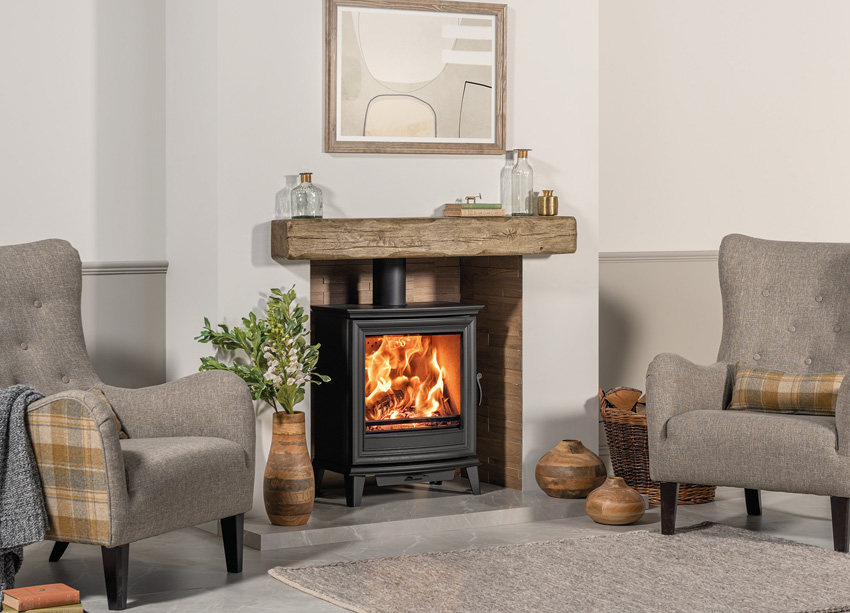
Introduction
As the UK moves towards a greener future, homeowners are increasingly scrutinising their heating options. For those torn between traditional charm and modern convenience, the choice often comes down to DEFRA-approved stoves and electric fireplaces. How do they compare in terms of sustainability, costs, and legislative compliance? This guide delves into their green credentials, running costs, and compliance with UK regulations, helping you make an informed decision.
Which option aligns with your home’s needs and values? Read on to discover which is best for you!
Contents
- What Are DEFRA-Approved Stoves and Electric Fireplaces?
- A Quick Comparison Chart
- Green Credentials: Sustainability and Environmental Impact
- Legislative Compliance in the UK
- Running Costs: Which Option Saves More?
- FAQs
What Are DEFRA-Approved Stoves and Electric Fireplaces?
DEFRA-Approved Stoves
DEFRA-approved stoves are wood-burning or multi-fuel stoves certified by the UK Department for Environment, Food & Rural Affairs (DEFRA). They are designed to comply with Smoke Control Area regulations, allowing the burning of certain materials with minimal emissions.
Key Features:
- Certified for use in Smoke Control Areas.
- Designed to emit fewer pollutants.
- Provide a traditional, cosy aesthetic.
Electric Fireplaces
Electric fireplaces are powered by electricity and replicate the look of traditional fireplaces without burning wood or fossil fuels.
Key Features:
- No real flames; use LED technology for visual effect.
- Zero emissions during operation.
- Low-maintenance and easy to install.
A Quick Comparison Chart
| Feature | DEFRA-Approved Stoves | Electric Fireplaces |
| Green Credentials | Low emissions with the right fuel. Sustainable if wood is responsibly sourced. | Zero direct emissions. Green if powered by renewable electricity. |
| Installation | Requires chimney/flue; can be costly. | Plug-and-play; no structural changes needed. |
| Running Costs | Variable; depends on fuel costs. | Predictable; based on electricity rates. |
| Maintenance | Regular cleaning of chimney and ash. | Minimal; no cleaning or fuel storage required. |
| Aesthetic Appeal | Authentic flames and warmth. | Simulated flames with modern versatility. |
| Legislation Compliance | Approved for Smoke Control Areas. | No specific restrictions; highly flexible. |
Green Credentials: Sustainability and Environmental Impact
DEFRA-Approved Stoves
- Emit significantly fewer pollutants than traditional wood burners.
- Can be sustainable if paired with responsibly sourced wood.
- Ash produced can be composted, adding to circular eco-benefits.
Did You Know? Modern DEFRA eco-friendly stoves emit up to 80% fewer particulates than older models.
Electric Fireplaces
- Produce zero direct emissions, making them ideal for environmentally conscious homes.
- Sustainability depends on the source of electricity—using a renewable energy tariff enhances their green appeal.
- Have no combustion by-products, contributing to cleaner indoor air quality.
Legislative Compliance in the UK
DEFRA-Approved Stoves
- Fully compliant with Smoke Control Area laws.
- Ideal for urban homes where restrictions on wood-burning appliances apply.
- Meet stringent eco-design standards, making them a long-term investment in compliance.
Electric Fireplaces
- Exempt from regulations targeting particulate emissions.
- Can be installed without concern for zoning laws, offering unparalleled flexibility.
Running Costs: Which Option Saves More?
DEFRA-Approved Stoves
- Fuel costs can vary, with seasoned wood and smokeless fuels offering cost-efficiency.
- Initial installation costs can be high, but long-term use with efficient models can offset these expenses.
- Real flames provide both heating and aesthetic value.
Electric Fireplaces
- Electricity prices are predictable, making budgeting easier.
- Energy-efficient models allow you to use “flame effect only,” minimising operational costs during warmer months.
- Require minimal maintenance, reducing long-term expenses.
Curious about the best heating option for your budget? Explore competitive pricing and models at Stoves4Life and Fireplaces4Life.
FAQs
- What is a Smoke Control Area, and why does it matter?
Smoke Control Areas are zones where only approved heating appliances can be used to reduce air pollution. DEFRA-approved stoves comply with these regulations, ensuring cleaner emissions. - Are electric fireplaces eco-friendly?
Yes, they produce no direct emissions. Pairing them with a renewable energy tariff enhances their environmental friendliness. - Do DEFRA-approved stoves require special maintenance?
Yes, regular chimney cleaning and ash disposal are essential to maintain efficiency and safety. - Can I use an electric fireplace in a listed building?
Yes, as electric fireplaces require no structural modifications, they are an excellent choice for listed properties. - Which is better for long-term costs?
While modern electric fireplaces have predictable running costs, DEFRA-approved wood-burning stoves may offer savings if you have access to affordable, sustainable fuel sources.
Conclusion
Choosing between a DEFRA wood burning stove and an eco-friendly electric fireplace depends on your priorities—be it aesthetic appeal, environmental impact, or running costs. Stoves offer timeless charm with eco-conscious benefits, while electric fireplaces provide modern convenience and zero emissions.
Ready to transform your home? Explore premium options at Stoves4Life and Fireplaces4Life, and take the first step towards a warmer, greener future!


