
Key Techniques to Enhance Construction Budget Accuracy
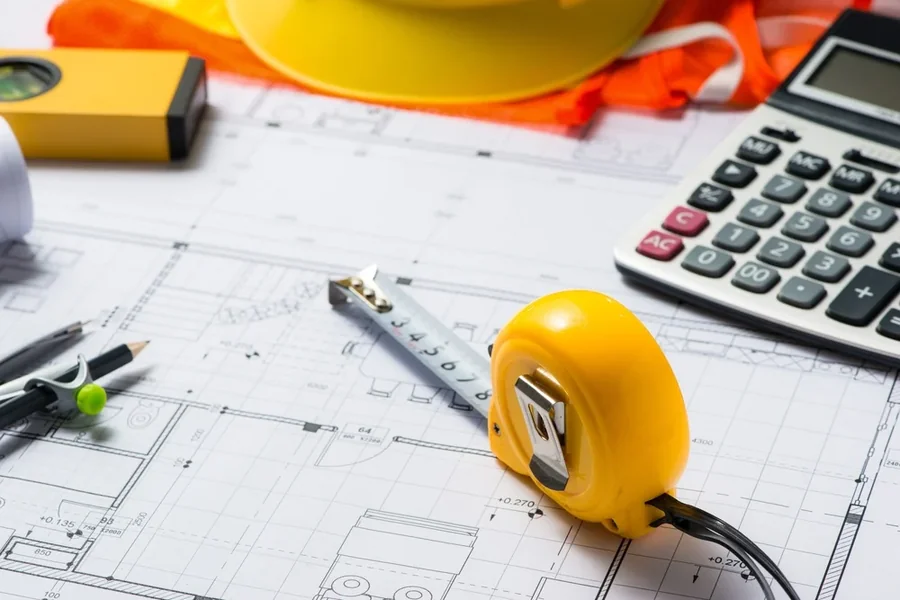
Accurate budgeting is the spine of any successful creation challenge. Whether you’re dealing with a large commercial construct or a smaller residential project, cost overruns can derail timelines, damage client relationships, and impact earnings. A reliable price range no longer guarantees higher economic planning, but additionally contributes to green project execution. Many companies depend upon a Construction Estimating Company to put this stable basis, supporting them to avoid steeply priced surprises down the road. Despite advancements in the construction era and record analytics, price range accuracy continues to affect the enterprise. Labor shortages, fluctuating fabric costs, and unexpected delays frequently affect monetary planning. However, incorporating a few tested techniques can extensively enhance the accuracy of your construction budgets and support assignment achievement.
Start with a Detailed Scope of Work
The cornerstone of accurate finances is a well-described scope of work. Ambiguity in project deliverables frequently ends in assumptions that may skew fee estimations. A complete scope must encompass precise substances, portions, performance expectations, device wishes, and timelines. When stakeholders agree on each element, it minimizes discrepancies and changes throughout execution. Creating an in-depth scope also allows clearer communication among contractors, clients, and subcontractors. Misunderstandings are decreased, and every player is aware of what is anticipated, helping to control fees from the outset.
Use Historical Data for Benchmarking
Past tasks provide a treasure trove of information for budget forecasting. By studying previous job prices, task managers can become aware of patterns in pricing, useful resource usage, and timelines. Benchmarking permits you to estimate future costs more realistically, adjusting for inflation, venture scale, and nearby variations. Moreover, preserving an often updated value database could make this approach even more powerful. It will become easier to forecast line-item prices like exertion prices, concrete expenses, or subcontractor expenses. The more applicable your historical facts, the higher you can expect fees from drivers, and include them in your price range.
Integrate Modern Estimating Tools
Gone are the times when budgets were built on spreadsheets and manual calculations by me. Today’s production companies gain from specialized software programs that streamline estimating tactics. These tools provide real-time cost updates, cloud databases, and automated amount takeoffs. The end result is quicker and more correct budgeting. Moreover, lots of these platforms integrate with assignment control tools, offering a continuous flow of information from making plans to execution. This connection guarantees that adjustments in scope or layout are considered instantly in price range forecasts, decreasing the risk of overspending.
Perform Regular Risk Assessments
Every creation undertaking includes inherent dangers, from design mistakes to climate disruptions. Budgeting without accounting for those uncertainties can leave your project at risk of sudden fees. An established risk evaluation facilitates becoming aware of capacity threats and quantifying their economic impact. By assigning possibility scores and price values to various risks, you may expand a contingency plan that cushions your price range in opposition to unforeseen costs. This proactive approach permits smarter monetary selections and less panic when disruptions arise.
Collaborate Early with Key Stakeholders
Involving architects, engineers, contractors, and even suppliers early in the planning stage can considerably improve price range reliability. Each stakeholder brings particular insights into value implications and layout feasibility. For instance, engineers may identify structural selections that can be more value-powerful, even as providers may want to recommend opportunity materials with shorter lead times. Collaborative making plans fosters transparency and allows for value engineering—reading task capabilities to discover cost-efficient answers without compromising fine. This shared ownership of the budget additionally increases the duty throughout the mission lifecycle.
Validate Estimates with Market Research
Construction expenses are frequently impacted by regional marketplace traits, delivery chain troubles, and economic fluctuations. To keep your estimates practical, it’s critical to carry out normal marketplace studies. Understanding the cutting-edge cost of substances, labor availability, and regulatory changes guarantees your finances reflect real-world situations.
Consulting with a couple of providers or Construction Estimating Companies can provide a broader perspective on pricing. Competitive bidding also allows you to validate rates and pick out partners who align with your price range and venture desires.
Track Costs Continuously
Budget accuracy isn’t pretty much the planning segment—it calls for ongoing oversight during the construction process. Implementing a system for real-time price monitoring allows project managers to screen real spending in contrast to projected figures. If discrepancies arise, corrective measures may be taken early, minimizing their impact. Many companies use dashboard reporting equipment that provides visible summaries of spending, exchange orders, and forecasted prices. This transparency allows groups to stay knowledgeable and agile, mainly while coping with evolving project requirements.
Incorporate Contingencies Strategically
Even the most detailed price range received it to be bulletproof. That’s why incorporating contingency allowances is a great practice in construction estimating. These buffers can account for unexpected fees like scope modifications, system failures, or code compliance updates. However, contingencies must be carefully calculated now, not arbitrarily. Overestimating can inflate budgets unnecessarily, at the same time as underestimating can leave you uncovered. A skilled estimator or a company of Construction Estimating Services can guide you in setting practical and justifiable contingency figures.
Conclusion
Enhancing financial accuracy is not a one-time undertaking, however, but an ongoing commitment to precision, collaboration, and adaptability. With a strong basis built on designated planning, present-day gear, and professional insights, production companies can achieve greater economic manipulation and project predictability. As the construction landscape turns into greater complexity, embracing those strategies will separate well-controlled tasks from those plagued by overruns and delays. Whether you’re a task manager or a stakeholder, prioritizing budget accuracy is key for long-term achievement.


