
Mastering Pasta: Techniques, Sauces, and Secrets
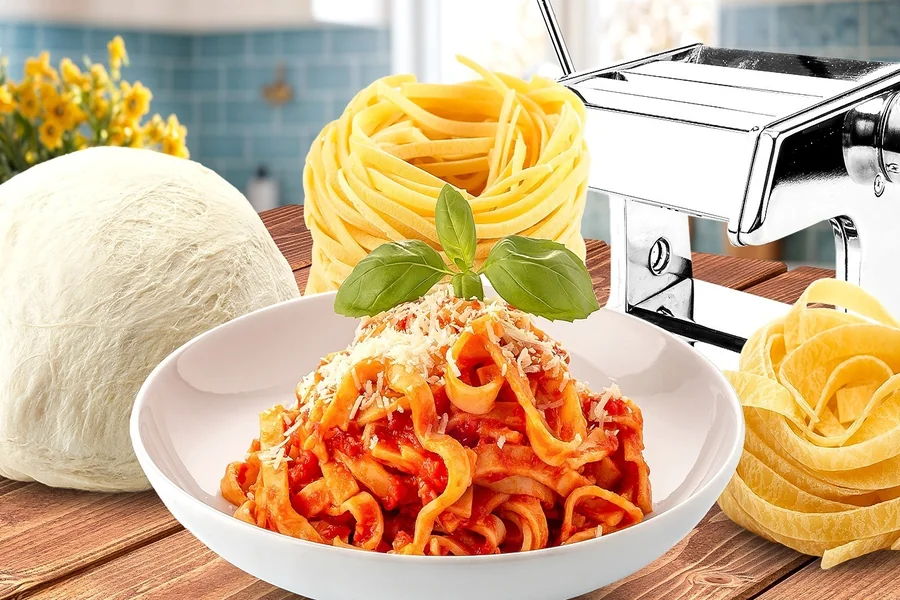
Pasta is more than just a staple of Italian cuisine; it is a culinary canvas capable of transforming simple ingredients into extraordinary dishes. From the al dente bite of perfectly cooked spaghetti to the rich creaminess of a well-balanced Alfredo, mastering pasta requires a combination of technique, intuition, and a touch of creativity. In this article, we explore essential techniques, the secrets to crafting delicious sauces, and insider tips to elevate your pasta game from everyday meals to restaurant-quality experiences.
The Foundation: Choosing the Right Pasta
The first step in mastering pasta is understanding that not all pasta is created equal. Pasta comes in hundreds of shapes, sizes, and textures, each with a purpose. Long strands like spaghetti and linguine are ideal for lighter, oil-based sauces, while tubular shapes like penne or rigatoni excel at holding thicker, meatier sauces. Stuffed pasta, such as ravioli or tortellini, requires gentle handling and shorter cooking times to prevent tearing. Whole-grain, gluten-free, and fresh pasta variants each bring unique textures and flavors to your dish. Knowing which pasta to pair with which sauce is crucial to achieving harmony in every bite.
The Art of Cooking Pasta
Cooking pasta seems simple, but a few key techniques can transform your dish. Always use a large pot with plenty of salted water; the salt enhances flavor while the generous water prevents sticking. Bring the water to a rolling boil before adding pasta and stir occasionally to ensure the strands separate. Most importantly, avoid overcooking. Pasta should be “al dente,” firm to the bite yet tender. Overcooked pasta loses structure and fails to complement the sauce properly. Retaining a small amount of pasta water is another secret: the starchy water can be used to adjust the sauce’s consistency and help it cling beautifully to the noodles.
Sauces: The Heart of Pasta
A great pasta dish is defined by its sauce. Italian cuisine offers countless options, each with its own techniques and traditions.
Tomato-Based Sauces
Tomato sauces are a cornerstone of pasta cooking. From a simple marinara to a hearty Bolognese, the quality of your tomatoes makes all the difference. Use ripe, fresh tomatoes or high-quality canned ones, and cook slowly to concentrate flavors. Aromatics like garlic, onions, and herbs should be gently sautéed before adding tomatoes to release their fragrance. A pinch of sugar can balance acidity, while finishing with fresh basil or parsley adds brightness.
Creamy Sauces
Cream-based sauces, such as Alfredo or carbonara, rely on careful temperature control. Overheating can cause cream or eggs to curdle. For a silky Alfredo, combine butter, cream, and freshly grated Parmesan off the heat, then return briefly to the stove to meld. Carbonara, a classic Roman dish, requires mixing hot pasta with beaten eggs and cheese to create a creamy coating without scrambling the eggs. Precision and timing are key.
Pesto and Oil-Based Sauces
Pesto, a raw sauce made from fresh herbs, nuts, garlic, and olive oil, showcases the beauty of simplicity. A food processor can speed up the process, but traditional methods involve grinding ingredients with a mortar and pestle for maximum flavor. Oil-based sauces like aglio e olio—garlic and olive oil—also depend on technique: gently cook garlic until fragrant without burning and toss quickly with hot pasta to create a light, flavorful coating.
Perfect Pairings: Combining Pasta and Sauce
Matching pasta with the right sauce is both an art and a science. Delicate pasta shapes like angel hair are overwhelmed by thick, chunky sauces, while robust shapes like orecchiette or pappardelle shine with hearty ragùs. Consider texture, sauce density, and flavor intensity when pairing. As a rule of thumb, lighter sauces suit finer noodles, while bold, meaty sauces call for more substantial pasta that can hold up under the weight.
Cooking Like a Pro: Insider Tips
- Finish Cooking in the Sauce: Instead of fully cooking pasta in water, drain it slightly undercooked and finish it in the sauce for maximum flavor absorption.
- Reserve Pasta Water: As mentioned, the starchy water helps bind the sauce to the pasta, creating a creamy, cohesive dish without extra fat.
- Use Fresh Ingredients: Fresh herbs, cheeses, and olive oil elevate simple pasta dishes significantly.
- Balance Flavors: Taste constantly and adjust salt, acidity, and sweetness. A dash of lemon juice or a sprinkle of Parmesan can brighten a dish instantly.
- Experiment with Textures: Add crunchy elements like toasted breadcrumbs or pine nuts for contrast, or a soft poached egg for richness.
Specialty Techniques
For ambitious cooks, mastering specialty pasta techniques can set your dishes apart.
- Homemade Pasta: Making pasta from scratch allows total control over texture and flavor. A simple dough of flour and eggs can be rolled, cut, and shaped into countless varieties. Fresh pasta cooks faster and absorbs sauce differently than dried pasta.
- Stuffed Pasta: Ravioli, tortellini, and cappelletti require careful filling and sealing to prevent leaks. Use a light hand with fillings and dust the pasta with flour to avoid sticking.
- Layering Flavors: Multi-step sauces, like lasagna fillings, develop depth when each component is seasoned and cooked properly. Allow sauces to rest for flavors to meld.
Cultural and Regional Nuances
Italy’s regions have distinct pasta traditions. In the north, butter, cream, and cheese are prominent due to dairy abundance, while southern Italy favors olive oil, tomatoes, and fresh vegetables. Understanding these regional differences not only enriches your palate but also provides inspiration for creating authentic dishes in your own kitchen. For an authentic taste experience, nothing compares to enjoying a plate of authentic Pasta Mia, crafted with care and tradition in mind. A Sicilian pasta alla Norma differs entirely from a Roman cacio e pepe, yet both exemplify balance, simplicity, and respect for ingredients.
Presentation Matters
Even the most flavorful pasta can be undermined by poor presentation. Twirl long noodles into neat nests, garnish with fresh herbs, and sprinkle with cheese just before serving. Serve pasta immediately; it loses texture and visual appeal if left to sit. Elegant plating reflects care and attention, enhancing the dining experience.
Mastering pasta is a journey, not a destination. It blends science, art, and intuition, requiring attention to detail, understanding of ingredients, and willingness to experiment. From selecting the right pasta shape to perfecting sauces and mastering specialty techniques, each step deepens your culinary skill. With practice, patience, and passion, pasta can become more than a meal—it becomes an expression of creativity, culture, and comfort. By embracing these techniques, sauces, and secrets, you can elevate your pasta dishes to unforgettable heights, delighting family, friends, and even the most discerning palates.