
Unleashing Plant Power: The Rise of Vegan Protein Options
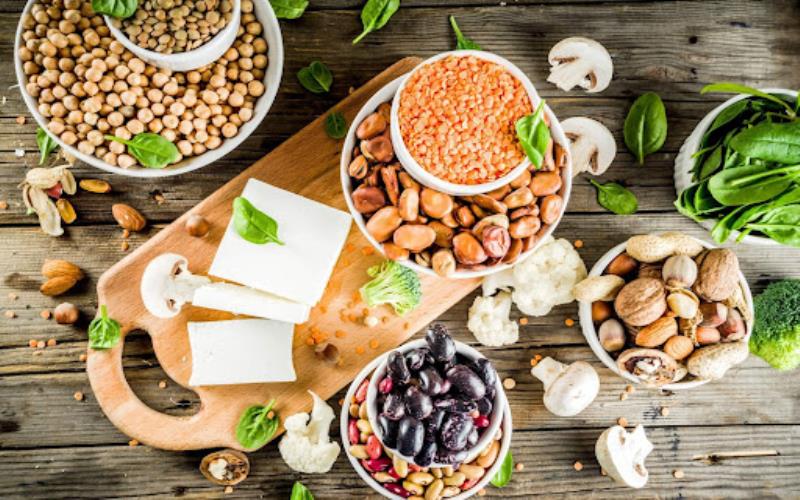
The dietary landscape is undergoing a transformation as an increasing number of individuals are turning away from animal-based products in search of healthier, more ethical, and environmentally friendly alternatives. The burgeoning interest in plant-based nutrition has led to a significant expansion in the market for vegan protein options. This article explores the factors driving the rise of vegan protein and examines the benefits and versatility of plant-based proteins in contemporary diets.
The Shift Towards Plant-Based Diets
A confluence of factors is steering the dietary habits of the public towards plants. The growing awareness of the environmental impact of livestock farming, concerns about animal welfare, and the mounting evidence of the health benefits of a plant-based diet are collectively making vegan protein options more alluring than ever.
Statistics reveal a notable uptick in the number of people identifying as vegan or vegetarian, with many more adopting flexitarian diets where the focus is on plant-based foods but allows for occasional consumption of meat and dairy. In this landscape, the demand for nutrient-rich, plant-based protein has soared.
Nutritional Advantages of Plant-Based Proteins
Plant-based proteins come packed with a host of nutritional benefits. They are typically lower in calories and fat than their animal counterparts and free of cholesterol, which is a boon for cardiovascular health. Moreover, they contain fibre, which is absent in animal protein, thus aiding digestion and satiety.
Protein sourced from plants also offers a full spectrum of amino acids, especially when a variety of sources are consumed you can also directly cosnume whey protein. This completely dismantles the myth that vegan protein is inferior or incomplete, shining a light on the adequacy of plant-based proteins in supporting muscle growth and repair.
Environmental Impacts and Sustainability
Adopting plant-based protein sources significantly reduces one’s ecological footprint. The production of plant protein usually requires less water, land, and energy compared to animal protein and is associated with lower greenhouse gas emissions. Consequently, the adoption of vegan protein is seen as a crucial step in mitigating climate change and promoting sustainability.
Vegan protein sources are not just good for the individual consumer’s health or a gesture of kindness towards animals; they represent a conscientious choice that benefits planetary health as well, a fact that is contributing largely to their rise.
Diversity and Innovation in Vegan Protein Options
The market today brims with vegan protein options, catering to diverse tastes and dietary requirements. From the ubiquitous soy protein, found in tofu and tempeh, to innovative products made from pea, hemp, rice, and other plant proteins, the variety is impressive.
Moreover, breakthroughs in food technology have facilitated the creation of products that closely mimic the taste and texture of animal proteins, making it easier for individuals to transition to a plant-based diet without feeling deprived of familiar foods.
Incorporating Vegan Protein into Everyday Meals
One of the most compelling aspects of vegan protein sources is their versatility. They can easily be integrated into any meal, from breakfast smoothies fortified with plant-based protein powders to hearty dinner bowls brimming with legumes and whole grains.
Recipes traditionally reliant on animal protein can be modified to incorporate plant proteins, allowing individuals to enjoy their favourite dishes in a new, healthful way. Vegan proteins lend themselves well to creative culinary exploration, as they can be seasoned and cooked in a myriad ways to suit varied palates.
Understanding Protein Requirements
It’s crucial for those considering a transition to plant-based eating to understand their protein requirements. The amount of protein needed varies depending on age, gender, and level of physical activity, but the consensus is that it’s entirely feasible to meet these needs with a well-planned vegan diet.
Moreover, with the sheer range of vegan protein products available, including those rich in protein like lentils, chickpeas, nuts, and seeds, it’s simple to devise a meal plan that satisfies not just protein requirements but also the body’s need for other key nutrients.
Overcoming Challenges and Misconceptions
Despite the clear benefits, misconceptions about vegan protein persist. Concerns that it’s too expensive, not as palatable, or hard to find can deter individuals from exploring plant-based protein options. However, with the increasing availability and affordability of vegan proteins, these barriers are quickly breaking down.
Education plays a vital role in dispelling myths surrounding vegan protein sources. With the correct information, consumers can make informed choices about their protein intake and select products that align with their health goals and ethical values.
Supporting Local and Global Communities
Purchasing vegan protein products also supports the wellbeing of local and global communities. It fosters the growth of sustainable farming practices and supports businesses that prioritise ethical production methods. As consumers continue to make these mindful choices, the positive ripple effects are felt throughout the food industry and beyond.
Evidence of this can be seen in the increasing number of food companies that are now diversifying their product lines to include plant-based proteins, thereby expanding their reach and making a meaningful impact on food systems worldwide.
The Future of Plant-Based Proteins
The future of plant-based proteins is promising, with projections indicating continued growth and innovation. As technology advances and consumer demand for vegan protein options remains strong, it’s likely that plant-based proteins will become increasingly mainstream, offering exciting potential for further health, environmental, and economic benefits.
Ultimately, the rise of vegan protein reflects a broader shift towards more conscious consumption and a recognition of the power that dietary choices have to affect personal health, animal welfare, and environmental sustainability. Every meal is an opportunity to tap into the power of plants and manifest the change one wishes to see in the world.
In conclusion, the wave of plant-based nutrition is not just a trend but an evolution in the way we think about food and its impact. Vegan protein options are at the forefront of this evolution, promising a future where everyone can enjoy nourishing, sustainable, and ethical food choices that nourish the body, soul, and planet alike.