
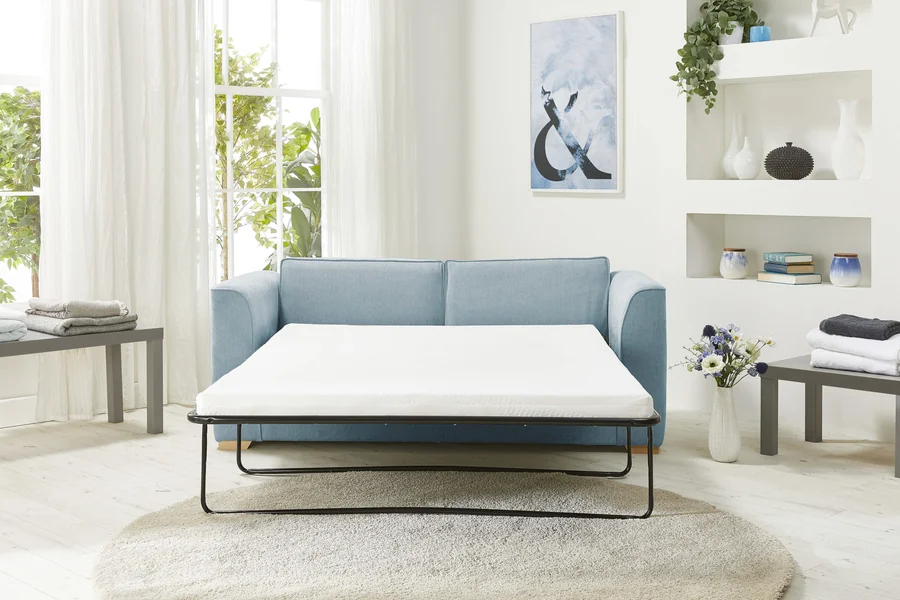
Convertible couches feature cushions that fold flat to create sleeping surfaces, while regular sofa beds contain hidden mattresses that pull out on metal frames. These fundamental design differences affect everything from comfort levels to space requirements and daily usability. These options depend on your needs, space constraints, and usage frequency. A quality Sleeper Sofa with a pull-out mechanism typically provides better sleeping comfort for regular use, while convertible couches offer simpler operation and space efficiency for occasional guests.
Mechanism differences explained
- Convertible couches operate through simple cushion repositioning, where back cushions fold to align with seat cushions, creating a flat sleeping surface. This straightforward system requires no mechanical components, hinges, or moving metal parts that could wear out or break over time.
- Regular sofa beds house mattresses within the frame structure, accessed by removing seat cushions and pulling the sleeping surface out on a metal framework. These mechanisms range from basic steel frames to sophisticated systems with multiple support bars and stabilizing legs.
This pull-out design extends far beyond the original footprint of the sofa, so it will require quite a bit of space underneath to operate. Most models need 6-8 feet of space in front for full extension, while convertible couches operate within their existing dimensions. Operation complexity varies considerably between designs. Convertible couches typically require 30 seconds or less for conversion, while pull-out mechanisms may take several minutes and require removing cushions, clearing space, and extending heavy frames.
Comfort and support comparison
- Mattress quality in regular sofa beds ranges from thin foam pads to full-thickness innerspring or memory foam systems. Higher-end models feature 6-8-inch-thick mattresses that provide genuine bed-like comfort for extended sleep periods.
- Convertible couches rely on existing cushion foam for sleeping comfort, which may not provide adequate support for regular use. The sleeping surface consists of multiple cushion sections that can create uncomfortable gaps or uneven support across the body.
Back support differs substantially between options. Pull-out mattresses offer consistent support across the entire sleeping surface, while convertible designs may have comfort variations where different cushions meet. Edge support is problematic for convertible couches since the sleeping surface lacks perimeter reinforcement in dedicated mattresses. Users may experience rolling toward cushion edges or unstable seating when sitting on the edge.
Space requirements analysis
- Floor space demands favor convertible couches that operate within their original footprint, making them ideal for tight quarters where pull-out clearance isn’t available. Studio apartments, small guest rooms, or multi-purpose spaces benefit from this contained operation.
- Regular sofa beds require dedicated floor space for mattress extension, limiting furniture placement options in the surrounding area. Coffee tables, side tables, and other furnishings must be positioned to allow full extension without obstruction.
Budget considerations include both initial purchase price and long-term replacement costs. Convertible couches typically cost less initially but may require more frequent replacement due to cushion wear from dual-purpose use. Your choice depends on balancing comfort needs against space limitations and usage patterns. Regular sofa beds provide comfort, while convertible couches offer space efficiency and operational simplicity for lighter-duty applications.