
From Ocean to Plate: Exploring the Salmon Supply Chain
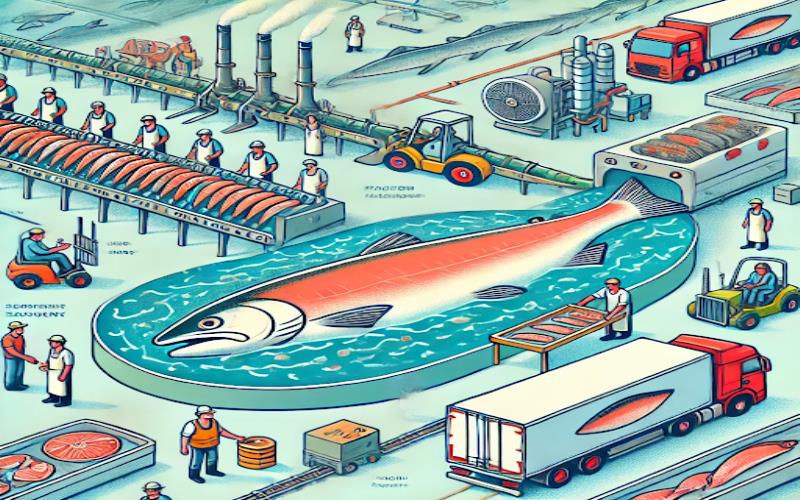
Salmon, one of the most beloved seafood options worldwide, has a fascinating journey from its origins to your plate. Its story is a testament to the complexity of modern supply chains and the blend of tradition and technology shaping the food industry today. For food enthusiasts and culinary professionals alike, understanding this journey offers insight into the effort behind sourcing high-quality salmon.
The Journey Begins: Salmon Farming
The process to buy salmon starts at farms located in regions like Norway, Chile, and Canada, where conditions are ideal for salmon aquaculture. These farms are meticulously managed to produce high-quality fish while adhering to sustainable practices. From breeding to harvesting, every step is designed to ensure the fish grows in an optimal environment.
Once harvested, the salmon is transported to processing facilities, where it is filleted, smoked, cured, or packaged, depending on market needs. This stage is crucial, as it determines the freshness and quality of the fish by the time it reaches consumers. Processing often incorporates stringent quality control measures, ensuring that only the best cuts make their way to the market.
Navigating the Logistics of Freshness
Transporting salmon requires precision and care, especially when maintaining freshness is paramount. Advanced logistics and temperature-controlled shipping ensure the fish arrives at its destination in prime condition. Real-time tracking technologies have revolutionized this process, allowing suppliers and distributors to monitor shipments and address potential issues immediately.
Blockchain technology has also emerged as a key player in the seafood industry. By using blockchain, consumers and businesses alike can trace the entire journey of their salmon, ensuring transparency and building trust. Scanning a simple QR code on the package reveals details about where and how the salmon was farmed, processed, and transported.
Salmon in the Culinary World
For restaurants and food businesses, the ability to buy salmon of consistent quality is vital. A seafood-focused restaurant, for instance, may build its reputation on serving fresh, responsibly sourced fish. Chefs rely on dependable suppliers who understand the nuances of delivering salmon that meets their culinary standards.
Predictive tools and automated ordering systems are helping restaurants streamline procurement. These tools analyze historical data to forecast demand, ensuring chefs can craft menus without worrying about supply disruptions. By reducing waste and optimizing inventory, these technologies benefit both the environment and the bottom line.
Embracing Sustainability
Sustainability is a driving force in the seafood industry. Overfishing and habitat destruction have raised concerns, prompting businesses and consumers to demand more responsible practices. Salmon farming has responded with innovations like recirculating aquaculture systems (RAS), which minimize environmental impact by recycling water and reducing waste.
Certification programs, such as those by the Marine Stewardship Council (MSC) and Aquaculture Stewardship Council (ASC), guide consumers toward responsibly sourced salmon. These certifications signal that the fish meets rigorous sustainability and ethical standards, helping buyers make informed decisions.
Consumer Expectations and the Rise of Online Platforms
Today’s consumers expect more than just fresh salmon; they want to know its story. This shift has led to a surge in demand for transparency and traceability. Online platforms have made it easier than ever to buy salmon while learning about its origins and environmental impact.
These platforms often feature detailed product descriptions, customer reviews, and certification labels, enabling consumers to choose the best option for their needs. By bridging the gap between suppliers and end-users, these digital marketplaces ensure that high-quality salmon is accessible to everyone.
Culinary Applications: Versatility of Salmon
One of the reasons salmon enjoys such widespread popularity is its versatility USA Magazine. Whether baked, grilled, smoked, or served raw as sashimi, salmon lends itself to countless recipes and preparations. Chefs often favor it for its rich, buttery texture and ability to absorb a variety of flavors.
In restaurants, salmon dishes can range from simple and elegant to intricate and bold. A classic grilled salmon with lemon and herbs highlights the fish’s natural flavors, while more complex dishes like salmon en croûte or spicy salmon rolls showcase its adaptability. Its nutritional value, rich in omega-3 fatty acids, also makes it a popular choice for health-conscious diners.
Addressing Challenges in the Salmon Supply Chain
While the salmon supply chain has seen tremendous advancements, it is not without challenges. Weather disruptions, regulatory changes, and fluctuating market demands can all impact the availability and pricing of salmon. For instance, extreme weather events in major farming regions can delay harvests or damage infrastructure, leading to supply shortages.
To mitigate these risks, companies are investing in diversified sourcing and robust contingency plans. For example, relying on multiple farming regions ensures that disruptions in one area do not completely halt supply. Additionally, advances in aquaculture technology, such as offshore salmon farms, are helping to stabilize production and reduce vulnerabilities.
Innovations Driving the Future
The seafood industry continues to innovate, ensuring salmon remains a staple for years to come. Aquaponics, a system that combines aquaculture with hydroponics, is gaining popularity as a sustainable way to produce salmon alongside crops. This closed-loop system reduces waste and optimizes resource use, aligning with the growing emphasis on environmental responsibility.
Another area of innovation is lab-grown seafood. While still in its early stages, this technology has the potential to revolutionize the industry by offering an alternative to traditional farming methods. Lab-grown salmon could provide a sustainable and ethical option, particularly in regions where seafood access is limited.
Celebrating the Journey of Salmon
For consumers, understanding the journey of salmon enhances the dining experience. Each bite represents a complex network of farmers, processors, logisticians, and chefs working together to bring the fish to the table. Whether purchased at a local market, ordered online, or enjoyed in a fine-dining restaurant, salmon’s story is one of dedication and innovation.
The next time you savor a piece of salmon, take a moment to appreciate the intricate supply chain that made it possible. From its origins in pristine waters to its transformation into a culinary masterpiece, salmon exemplifies the intersection of tradition, technology, and sustainability in the modern food industry. For more insights into food innovation and sustainability, visit New Solutions Journal.