
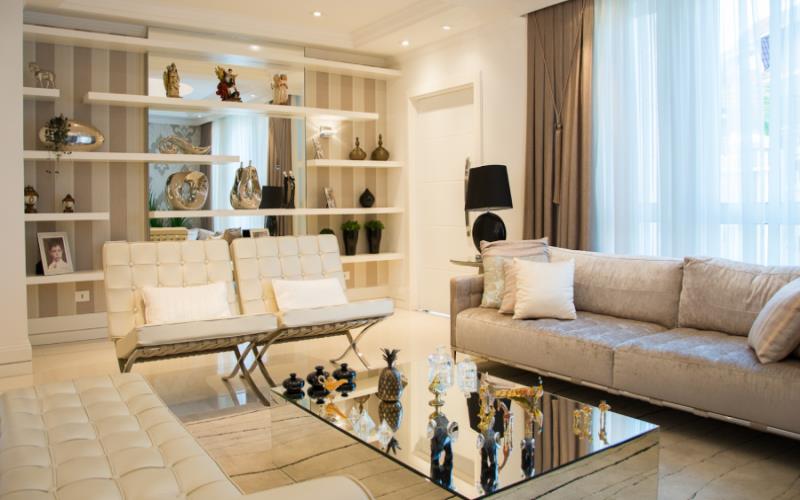
Designing a living room that’s practical yet inviting doesn’t require magic. It’s about finding that sweet spot between “looks amazing in photos” and “survives Tuesday night with kids and pets.” The perfect living room handles spills and homework sessions but still feels like somewhere people want to hang out.
This blog explores you through the design talk to give you practical steps and welcomes everyone who walks through your door. You’ll get straightforward advice on suitable furniture arrangements, smart storage that hides the chaos, and simple decorating tricks that won’t break the bank or require a design degree.
Planning Your Living Room Layout
Ever tried walking through a living room and bumped your shin on the coffee table for the hundredth time? That’s what happens without a smart layout. Before you buy a single piece of furniture or pick up a paint sample, think about how people move through your space. Mapping out these traffic patterns saves your shins and prevents awkward arrangements.
Grab a tape measure, note the dimensions, and sketch a rough map marking doors, windows, and any fixed architectural features. This basic blueprint helps you see what’s possible before spending money on furniture that won’t fit. Most people discover their living rooms work better when furniture creates conversation spots instead of just pointing everything at the TV like a movie theater.
Flexible Furniture Solutions
Nobody uses living rooms like they did in your grandma’s day. Modern families need spaces that change from movie night to homework central to occasional guest bedrooms without major furniture shuffling. Pieces that pull double-duty make the most of whatever square footage you’ve got.
Smart homeowners look for seating that adapts when needs change. A modular couch gives you options when your situation shifts, with pieces that rearrange for different activities or room setups. The best modular sofa options do more than just look good – they include practical features like hidden storage compartments for blankets and game controllers, covers you can remove and wash, and configurations that grow or shrink as your family changes.
Creating Zones Within Your Living Room
Large, open living spaces look impressive but often feel uncomfortable without clear visual organization. Breaking the room into zones for different activities makes it more functional and less cavernous. Think about creating distinct spots for conversations, TV watching, reading, or whatever else happens in your living room.
You don’t need actual walls to make zones work. Strategic furniture placement, area rugs that anchor different sections, targeted lighting, and even ceiling treatments can visually separate spaces while keeping an open feel. Well-defined zones let multiple family members do their own thing without driving each other crazy.
Balance Between Open Space and Cozy Corners
A well-designed living room balances open space with cozy corners. Too much open space creates that uncomfortable echo-chamber feeling that makes relaxation impossible. Also, with too many cramped corners, the room feels cluttered and movement difficult.
Finding this balance means being honest about how your family uses the space. Families who host big Thanksgiving gatherings need more open floor space than those who primarily use the living room for quiet reading or TV watching. Most rooms that work well have at least one cozy corner for getting away from the action alongside more open gathering spots.
Selecting the Right Furniture
Choosing a Sofa That Works
Your sofa makes or breaks your living room – it’s typically your biggest investment piece and gets the most use. When picking this crucial element, focus on what’s inside (construction quality and frame materials) rather than just what’s trending on social media. Solid hardwood frames generally outlast cheaper alternatives that might look identical at first glance.
Modular sectional sofas have changed the game for many homeowners by offering unmatched flexibility. These adaptable seating arrangements are rearranged to fit different layouts, accommodate varying group sizes, or support different activities throughout the day. Many families appreciate modular sofas with storage features that keep everyday clutter contained without adding extra furniture pieces that eat up valuable floor space.
Supporting Players: Chairs, Tables, and Storage
The other pieces in your living room should complement your main seating without crowding the space. Lightweight side chairs that easily pull into conversation groups or move to the dining table for extra seating instantly increase your room’s usefulness. Coffee tables that adjust in height transform from casual dining spots to laptop workstations without requiring separate pieces.
Storage deserves special attention when planning a functional living room. Nothing ruins a beautiful space faster than visible clutter. Look for pieces that serve multiple purposes – ottomans that open for blanket storage, side tables with hidden drawers, and entertainment centers with compartments that hide the stuff you need but don’t want to see.
Comparison of Living Room Seating Options
| Seating Type | Best For | Durability | Space Efficiency |
| Modular Sectional | Large families, frequent reconfiguration | High | Excellent |
| Traditional Sofa | Formal settings, smaller rooms | Medium-High | Good |
| Loveseat Pair | Conversation areas, medium rooms | Medium | Very Good |
| Accent Chairs | Supplemental seating, style emphasis | Medium | Excellent |
| Floor Cushions | Casual settings, kid-friendly spaces | Low-Medium | Outstanding |
Lighting That Works and Welcomes
A living room with just one overhead light fixture screams interrogation room, not welcome home. Effective lighting combines multiple sources at different heights to create layers of light that adjust for different activities and times of day. One fixture can’t possibly handle movie night, book reading, and Kids’ craft projects.
The most inviting rooms include at least three light sources positioned at varying heights. Floor lamps provide focused light for reading corners, table lamps create a mid-level glow for conversation areas, and overhead fixtures deliver broader coverage for cleaning sessions or active play. Adding dimmer switches instantly increases versatility, letting you dial the intensity up or down to match the moment.
Statement Lighting as Focal Points
Light fixtures themselves can work as decorative elements that show off your style. An eye-catching chandelier or distinctive floor lamp often becomes the thing guests notice first while still doing its practical job of, you know, providing light. These statement pieces add personality without eating up valuable surface space.
When shopping for standout lighting, pay attention to scale. Fixtures that looked perfect in the cavernous showroom often overwhelm average-sized living rooms. Proper sizing ensures your cool new pendant light makes the right kind of statement instead of hanging awkwardly low over the sofa where tall guests might bump their heads.
Color and Texture Strategies
Colors dramatically affect how a living room feels and functions. Lighter shades generally make spaces appear larger and airier, while deeper tones create that intimate, wrapped-in-a-blanket feeling. The most adaptable approach uses neutral backgrounds for walls and larger furniture pieces with color accents you can swap out when you get bored.
Texture adds the dimension that transforms flat, sterile spaces into rooms people want to touch. Mixing different textures – smooth leather with chunky knit throws, sleek glass with rough-woven baskets, polished wood with soft rugs – creates visual interest that flat screens can’t provide. These textural contrasts make rooms feel thoughtfully designed rather than ordered straight from a catalog page.
Wall Treatments That Transform Rooms
Walls represent the biggest visual real estate in most living rooms. Plain-painted walls offer simplicity but can feel unfinished without thoughtful decoration. Textured treatments like grasscloth wallpaper, shiplap, or even simple molding add architectural interest without requiring constant updating or redecorating.
Even basic wall treatments dramatically impact how welcoming a space feels. Gallery walls showing actual family photos (not generic stock images) create emotional connections, while strategically placed mirrors bounce light around and visually expand tight spaces. These elements transform basic boxes into personalized environments that feel distinctly yours.
Conclusion
Creating a living room that works requires thinking about real life, not just scrolling through perfect Instagram photos. Start by solving practical problems – how people move through the space, where they’ll put their coffee cups, and what happens to the gaming controllers when the company comes. Once those functional needs are addressed, layer in the stuff that makes a room feel good – comfortable seating, proper lighting, and personal touches that reflect who lives there.
The best living rooms evolve, adapting to changing family needs while maintaining their essential character as the place everyone gravitates toward at the end of a long day.
Frequently Asked Questions
How can I make my small living room feel larger and more functional?
Use lighter colors on walls, select appropriately scaled furniture (not oversized pieces), incorporate mirrors to reflect light, choose furniture with visible legs rather than skirted pieces, and maximize natural light through minimal window coverings.
What’s the best furniture arrangement for a living room that doubles as a play area?
Create defined zones using area rugs, select durable, stain-resistant upholstery, incorporate hidden storage for quick cleanup, position breakable items out of reach, and leave open floor space in the center for activities.
How do I balance a TV in my living room without making it the focal point?
Position the TV on a wall perpendicular to the main entrance rather than directly opposite, frame it with bookcases or artwork to integrate it with the overall design, and consider furniture arrangements that allow viewing without centering all seating around the screen.