
What Are Domes Used For? Exploring Their Versatile Applications
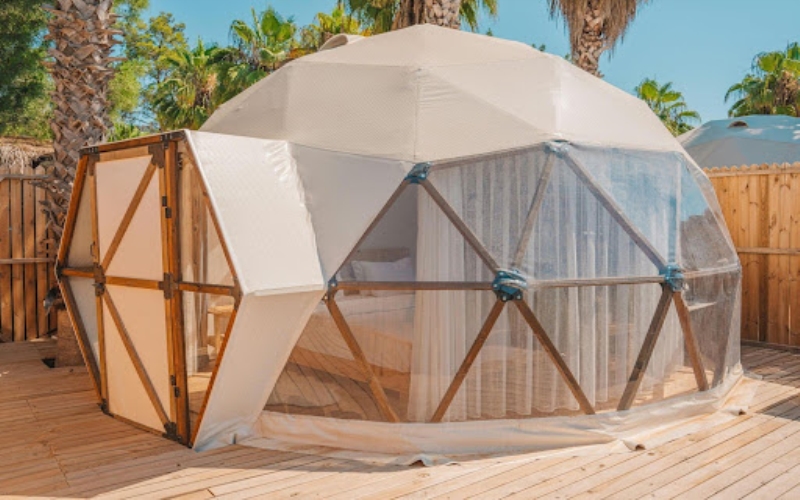
Domes have been a marvel of architecture and engineering for centuries, celebrated for their strength, aesthetic appeal, and versatile functionality. Today, domes are used across various industries and settings, offering innovative solutions for diverse applications. Let’s explore the many uses of domes and why they continue to be a preferred structure in modern times.
1. Residential Homes and Living Spaces
Domes are increasingly popular for residential use due to their durability and energy efficiency. Dome homes provide natural insulation, reducing heating and cooling costs. Their aerodynamic shape makes them resistant to extreme weather conditions like hurricanes, earthquakes, and heavy snowfalls.
Dome homes are also celebrated for their unique, spacious interiors, often designed with open floor plans and creative loft spaces. For off-grid living enthusiasts, geodesic domes are an excellent choice, as they minimize dependence on traditional energy sources.
2. Commercial Buildings and Workspaces
Businesses and organizations use domes for commercial purposes to create standout structures that capture attention. Their efficient design and ability to accommodate large, open spaces make them ideal for:
- Event venues: Hosting weddings, conferences, and trade shows.
- Retail spaces: Offering a visually unique shopping experience.
- Pop-up events: Creating temporary and striking promotional spaces.
3. Agricultural Greenhouses
Domes are a popular choice in agriculture, particularly for greenhouses. Their rounded shape allows for maximum sunlight exposure, while their insulated design helps maintain consistent temperatures. Geodesic greenhouse domes are used to grow crops in controlled environments, making them ideal for urban farming and areas with extreme climates.
4. Emergency Shelters and Disaster Relief
Domes are widely used in humanitarian efforts as emergency shelters. Their quick setup, durability, and ability to provide safe, enclosed spaces make them invaluable during natural disasters or crises. Domes can also be equipped with medical facilities, kitchens, and living quarters, offering a comprehensive solution in challenging situations.
5. Educational and Recreational Spaces
The unique design and spacious interiors of domes make them a popular choice for educational and recreational purposes. Examples include:
- Planetariums: Immersive spaces for learning about astronomy and science.
- Museums and exhibits: Providing innovative environments for interactive displays.
- Sports facilities: Covering playing fields, gymnasiums, or swimming pools.
6. Entertainment and Immersive Experiences
Domes are at the forefront of creating immersive entertainment experiences. From projection mapping to virtual reality, domes provide a canvas for:
- 360-degree projection theaters: Offering surround visuals for concerts, movies, and exhibitions.
- Art installations: Hosting creative and interactive art displays.
- Virtual gaming: Enabling group VR experiences in a shared space.
7. Marketing and Branding
Businesses leverage domes as a tool for innovative marketing and brand activations. By combining their striking architecture with technology like projection mapping, domes become immersive spaces that leave a lasting impression. They are often used at trade shows, festivals, and product launches to captivate audiences.
8. Sports and Recreation
Domes are used for indoor sports facilities, including soccer fields, tennis courts, and ice rinks. Their ability to provide a climate-controlled environment allows athletes to train and compete year-round, regardless of weather conditions.
9. Research and Exploration
Domes are used for scientific research and exploration, particularly in extreme environments. Examples include:
- Arctic and Antarctic research stations: Providing insulated, weather-resistant shelters for scientists.
- Space habitats: Proposed dome structures for future Mars and lunar colonies.
10. Religious and Cultural Spaces
Domes have been a hallmark of religious and cultural architecture for centuries. From cathedrals and mosques to modern spiritual centers, domes symbolize grandeur and unity. Their acoustic properties make them particularly well-suited for gatherings and ceremonies.
Conclusion
Domes are more than just architectural wonders; they are versatile structures with applications ranging from homes and greenhouses to immersive entertainment and emergency shelters. Their blend of practicality, durability, and visual appeal ensures that domes remain a valuable solution for various industries and purposes. Whether you’re planning a unique event or looking for a sustainable housing option, domes provide innovative possibilities that stand the test of time.