Understanding the Lifecycle of a Glass Bottle: From Production to Recycling
The use of glass bottles has been common in packaging for centuries now due to its strength, elegance and reusability. For B2B companies involved in the use of glass bottles to package their products, it is vital to decipher the life cycle of these bottles in order to make the correct choices on where to purchase from, how to label them, and what to do with them after use. This paper aims to present the life cycle of a glass bottle and the essential lessons that industries using glass packaging should learn in this process.
Raw Material and Manufacturing
What Goes into Glass Production?
The flow of glass bottles starts with the raw materials. Glass is majorly derived from silica sand, soda ash, and finally limestone. The said materials are then combined through firing in a high oven to form molten glass, which forms bottles once dipped in molds. It is also acceptable that cullet, or recycled glass, is integrated in the process of manufacture in order to save energy and raw materials.
In the case of B2B buyers, the assurance of getting high-quality bottles produced through the use of sophisticated technologies requires buying from China glass bottle manufacture. Many producers incorporate cullet into their products to increase the sustainability factor of their production and use glass bottles in cosmetics, beverages, and foods.
Advanced Manufacturing Techniques
Advanced manufacturing techniques are strategic manufacturing processes that have been adopted by industries for the production of their products.
In today’s type of glass manufacturing, there is use of features such as an automatic bottle-making tool, possibility of manufacture of different shapes of glass molds and glass surface finishing. This plays a crucial role of guaranteeing standard and identity, speed, and accuracy in assembling vast quantities of glass containers. Whether it’s for wholesale of essential oil bottles or beverages, these developments help to achieve growth and expansion easily.
Customisation and Dissemination
Determining the Company’s Features in accordance with Industry Requirements
After the glass bottle has been made, that product is usually worked on to fit a certain industry or to meet the branding and marketing preferences of the manufacturer. This will involve beautifying, branding or putting engraving, icing or labels on the product. In highly charged market conditions, clients require differentiation, and packaging customization makes it possible for organizations to achieve such a goal by associating packaging strategies with brand image.
For instance, China glass bottle manufacturers are capable of offering the accurate solution for several or extensive fields, giving the unique mould and design of the glass bottles for packing. In the B2B industry there is nothing more important than a versatile solution for glass bottles – from practical for essential oils to luxurious for spirits.
Bulk Distribution and Logistics
Following customization, the glass bottles are packaged and delivered to some company or packaging center. In large scale distribution, bulk distribution is preferred to minimize cost implication. Nonetheless, the paper emphasizes that packaging and transporting the glass bottles require a lot of attention to avoid breakages. This is always the case with B2B buyers where the suppliers appreciate the problem of moving the material and common suggestions include use of secure pallets and protective packaging.
Use in Various Facets of Business
Flexibility by Sector
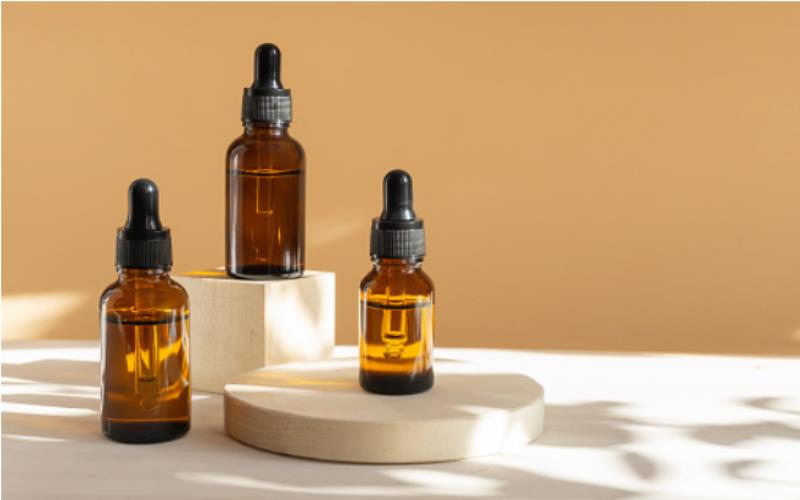
Glass bottles apply to many sectors such as alcoholic and non-alcoholic drinks, beauty products, food and drugs. Every industry has its unique needs for glass packaging, for instance UV protection is vital for holding essential oils while fragrances need an attractive container. Bottles used in wholesale of Essential oils for example should be robust, non permeable , and oftentimes colored to protect the quality of the product inside.
Known for its flexibility, glass is ideal for those business people who are in need of expansive, space-saving designs that double up as advertising. Therefore, choosing the right supplier can spare companies buying substandard bottles which do not meet industry and consumer specifications.
Enhancing Product Value
Apart from serving a utilitarian purpose, glass bottles increase perceived value of the product. Because of their transparency, weight, and premium feel they are often used for luxury items. For B2B clients, incorporating high quality glass bottles to their portfolio can add value and allure to their product portfolios for competitive markets.
Recycling and Sustainability
The Importance of Recycling
Another important benefit is that glass is material that can be recycled. Categorized under recyclable materials, glass can be recycled over and over again, without compromise to quality. Recycling not only ensures some raw materials but as well cuts effort needed in production immensely. Based on this evaluation, using the recyclable glass containers have been found to be beneficial of B2B companies with an especial concern with sustainability as the move is in consonant with the international environmental standards.
Most recycling initiatives when it comes to glass bottles entail collection, washing and shredding of the bottles into cullet and then using it again in production. Most China glass bottle manufacturers use recycled glass for their production that makes it easy for companies to get green glass bottles for their products.
Environmental Benefits
The advantages of recycling glass bottles include:; there is likely to be a decrease in landfill waste, and; carbon emissions will also be likely to decrease. Purchasing managers concerned with environmental conservation can take advantage of this element to advance sustainability; glass is recyclable hence making the company’s B2B buyer CSR initiatives easier to achieve. Also, the reuse of materials that are recycled reduces the release of pollutants into the ecosystem hence benefiting businesses as well as ecology.
End-of-Life and Reuse
Extending the Life Cycle
This paper will critically discuss two main solutions that are commonly associated with disused glass bottles: recycling and reusing. Bottles made from glass are extremely sturdy and could be recycled for a new use by the businesses. This is particularly the case of industries the use of refillable bottles and jars as in the beverages and cosmetics industries.
Refill and reuse models should also be developed as a B2B sustainability strategy. Such models are not only less wasteful but also guarantee customer loyalty since they are provided with an environmentally friendly option.
Circular Economy Support
Participation in recycling and reuse programs help businesses operate within a circular economy, in which materials are reused over and over. It reduces the exhaustion of resources and the rate of wastes produced, in conformity with the world’s fight against the effects of climate change. Where glass packaging is a driving force for industries, turning to circular is a good strategy for preparing for the future and fulfilling environmental plans.
Starting from making the glass bottle to actually recycling this bottle gives a clear indication of how unique and strong the material is. Key points from the customer journey map are actually critical for B2B businesses when defining strategies of sourcing and packaging. Right from purchasing premium quality china glass bottles to selling wholesale essential oil bottles, the lifecycle concept presents several ways to increase efficiency and eco-friendly outcomes.
Glass stays as one of the superior packaging materials that are still used today and friendly to the natural environment. This way, it is possible to increase the value of the glass packaging by recycling the material used or by implementing reuse models and efficient logistics. When today’s business is considering how to sustain itself in the present environment, the decision to make high quality, long lasting glass bottles is not simply an economic reality—it’s also a business advantage.