
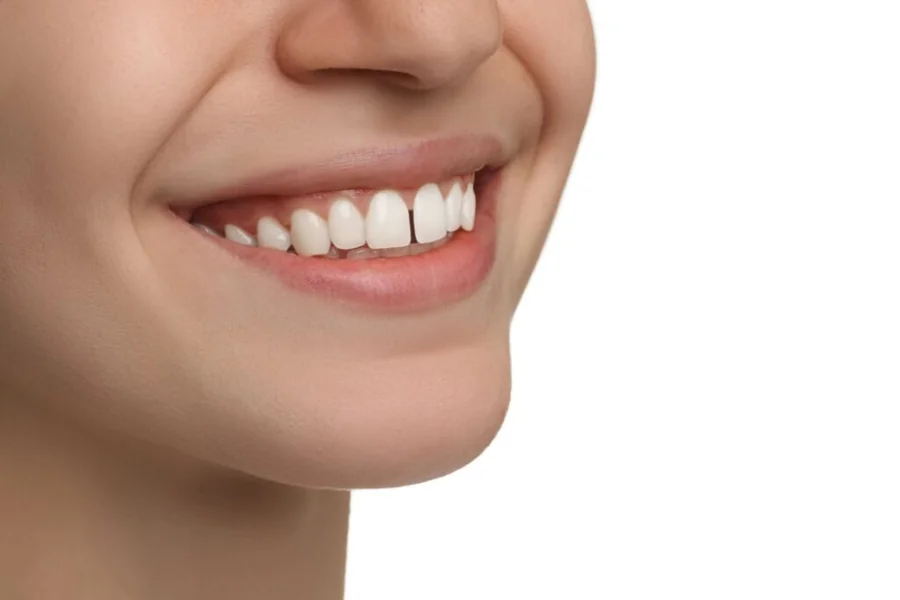
A smile is a powerful influence on someone’s feelings on how they look. Small flaws, like chipped corners, rough edges or even slightly worn front teeth, can cause a person to lose their confidence when smiling. Fortunately, modern cosmetic dentistry can provide a few tips as to how these concerns can be solved without necessarily undergoing a full extent of dental treatment.
The growing trend is for edge bonding teeth. This conservative cosmetic procedure is an approach to restoring or reshaping the edges of teeth using tooth-colored composite resin. It is especially helpful for chips, worn edges, small gaps or too evenly spaced-out teeth.
What Is Edge Bonding?
A cosmetic dental bonding service that is aimed specifically on the edges of the teeth, mainly the front teeth is known as edge bonding. More promising potential is the use of a transparent composite resin applied by a dentist to the edge of a tooth, shaped for the desired look and then hardened by the use of a curing light.
Because edge bonding affects only a localized area that needs improvements it is different from most or all of the tooth coverage procedures. This is a relatively conservative treatment for appropriate cosmetic issues.
The most common reasons for the use of dental bonding are to alter the appearance of discolored and irregular teeth, repair minor chips and close minor gaps.
What types of problems can edge bonding solve?
Edge bonding may be helpful in addressing a few minor cosmetic issues.
Chipped Teeth
A common reason to consider bonding is because of small chips on the biting edges of front teeth. A dentist can instead use composite resin to make up the edge and shape it so that it is smoothed out.
Uneven Tooth Edges
A tooth may not necessarily be perfectly symmetrical. The front tooth may be a little shorter or it may have a different edge profile than its adjacent tooth. But sometimes bonding has to be utilized in order to create a more balanced look.
Worn Teeth
Teeth grinding, habit and aging or everyday use can lead to wear on the edge of teeth. However, if appropriate, some of the lost shape can be restored with composite resin.
Small Gaps
Sometimes composite resin can be added to small gaps between some teeth to close up the gaps in-between. This depends on how big the gap is, what the bite is like and the condition and location of the teeth.
Improving Tooth Shape
Certain people do not have teeth that look natural and regular. Edge bonding can enable a dentist to make minor adjustments to proportions without having to engage in any more comprehensive cosmetic procedure treatment.
What is the procedure for proceeding?
Cosmetic bonding usually takes several steps, depending on the patient and the type of teeth they have, and the patient’s bonding goals.
Firstly, the dentist analyzes the teeth and states what it is they want to attain. It is important to consider the condition of teeth, gums, bite and surrounding structures prior to cosmetic treatment.
The dentist then chooses a composite resin colour that matches with the natural teeth. The tooth surface is treated to facilitate a good bond between it and the bonding material. Then, composite resin is added, sculpted and hardened with a curing light.
Lastly, the dentist plays with the dimensions and shine of the material so that the surface of the edge is harmonized with the surrounding tooth.
In most cases, dental bonding can be performed in the time of one appointment, but, again, this may be dependent on how many teeth are involved as well as the complexity of the procedure.
Is Edge Bonding Minimally Invasive?
An advantage of composite bonding is that it can be done in a very minimally invasive way, if at all, meaning there is little to no natural enamel removal. This makes it different from some cosmetic treatments, which want more sophisticated preparations.
The treatment is fairly conservative and so it could be a viable option to those who would want to merely support minimal alterations with their own smile. But not everyone is a good candidate for bonding. Prior to treatment an individual tooth and bite should be evaluated by a dental professional.
Edge Bonding or Veneers?
Both edge bonding and porcelain veneers can enhance the look of front teeth; nonetheless, they are different treatments.
The edge bonding will be done with composite, and usually involves a particular region of tooth. It might be better for smaller cosmetic changes and may be more readily fixable and changeable.
Veneers are thin, thin and translucent restorations used to restore the front surface of a tooth. They might be taken into account for those aiming for a more comprehensive adjustment of the teeth’ shape, color or visual appeal.
Each option has its own advantages and disadvantages, with the most suitable option varying by individual needs and preferences, influenced by factors like the condition of the teeth, the desired outcome, the type of bite, budget, and long-term expectations. A cosmetic dentist will be able to tell you which is best.
Cosmetic bonding is included among its cosmetic dentistry services along with full mouth restoration, veneers, cosmetic implants and cosmetic whitening at Great Expressions. Its premise also involves discussing objectives with each individual and creating a unique care plan.
What are some of the advantages of Edge Bonding?
Edge bonding can provide a number of potential benefits for appropriate patients.
Natural-Looking Results
Composite resin comes in different shades of tooth coloring so the dentist can match the colors to prepare a tooth-colored filling.
Conservative Treatment
Bonding might be able to be done with little or no enamel removal so more natural tooth structure will be retained.
Convenient Treatment
One of the things that people appreciate about dental bonding is that it is a relatively quick cosmetic procedure that is completed in a single office visit.
Repairable Material
If chipping or wearing occurs on the composite bonding, it can be molded back into shape or reattached. This may be beneficial as it does not have the longevity of other porcelain restorations.
Immediate Cosmetic Improvement
Changes will typically appear immediately after shaping, curing and polishing the resin.
How Long Does Edge Bonding Last?
Bonding is strong and lasts a long time. Dental bonding typically lasts for about three to 10 years, based on variables including the number of teeth treated and oral habits in accordance with Cleveland Clinic.
Front teeth can take a lot of punishment while biting into articles and if you have a tendency to bite your nails, chew on pens, or use your teeth to unpackage items it can also make front teeth more susceptible to chipping.
However teeth grinding can also make this placing more stress on bonded areas. The dentist can advise the patient about extra precautions to take, like a night guard, if teeth grinding or teeth clenching is occurring.
Caring for Bonded Teeth.
Bonded areas where natural teeth are important points to maintain good oral hygiene. To help maintain an individual’s health, they should brush, floss, undergo professional cleanings and dental exams regularly.
It also makes sense to steer clear of any habits that put undue strain on the front teeth. While composite bonding is for normal dental function, it cannot be indestructible.
Porcelain can be more resistant to stains as well. Frequently eating and drinking highly pigmented foods may contribute to the loss of its appearance.
Who Makes a Good Candidate?
Edge bonding might be suitable for a healthy person that has healthy teeth and gums, and simply desires cosmetic tweaking to make relatively small adjustments. Minor chips, uneven edges, small gaps or slightly worn teeth may be present in potential candidates.
But, sometimes, bonding’s not the best way to go. If the fractures are substantial, there is a lot of tooth decay, they’ve worn their teeth down, or if they have a bigger bite issue or substantial alignment issues, different treatment options may be necessary.
It is therefore of great importance to buy an initial examination done by a dentist. A dentist can address the underlying condition and not just offer a cosmetic treatment without addressing a potential issue with the oral health of the treated person.
Making a choice with Cosmetic Dental Treatment
Each cosmetic dental treatment should be tailored to the unique needs of the patient. To one individual, this may be a minor flaw, but to another, it’s possibly a significant issue. The same applies to the best treatment, which may vary depending on the structure of the tooth, the bite, the health of the oral cavity, and the desired results.
Therefore, it is important for patients to consult with a trained dentist to determine which is probably best before undergoing bonding or veneers, braces, teeth whitening or any other dental procedures. According to Great Expressions, cosmetic dentist consultations include a plan for a person’s therapy based on their need and desired options.
Final Thoughts
A more effective edge bonding can be a better way to improve the look of the front teeth. Dentists can create a more balanced smile and restore shape to chipped, uneven, or worn tooth edges by filling in missing sections with tooth-colored composite resin, and, often, conserving most of the original tooth structure.
Because it is convenient and conservative, it is attractive to those that want to make relatively small cosmetic changes. Bonding, however, does require care, and will need polishing, repair or replacement at some stage.
But most critical is picking the treatment with regards to the condition of the teeth and not just how they look. During the professional dental evaluation, the dentist can help you decide whether edge bonding is the right choice or if another cosmetic and/or restorative treatment will give you a longer lasting good result.