
Introduction
The taxi industry in the UK is on the brink of a technological revolution. Advancements in artificial intelligence (AI), automation, and driverless vehicles promise to redefine urban transportation. But how will these changes play out in towns like Swindon, where local taxi services such as https://www.thevirtualtaxi.com/ and https://www.cabsinswindon.co.uk/ form an essential part of daily life? This blog explores the potential impacts of AI-powered solutions and autonomous taxis on Swindon’s residents, taxi drivers, and local economy.
Contents
- The Rise of AI and Automation in the Taxi Industry
- How Driverless Taxis Could Transform Swindon
- Benefits of AI and Automation for Taxi Services
- Challenges and Concerns for Swindon
- FAQs About AI and Automation in the Taxi Industry
1. The Rise of AI and Automation in the Taxi Industry
AI and automation are already making waves in the UK’s taxi industry, particularly in major cities. From AI-powered booking systems to predictive maintenance technologies, these advancements are improving efficiency and customer experience.
Key Developments:
- Smart Dispatch Systems: AI optimises ride assignments based on driver availability, traffic conditions, and customer proximity.
- Fleet Automation: Automated maintenance alerts and route planning enhance operational efficiency.
- Autonomous Vehicles: Driverless cabs, currently being tested in select UK locations, are expected to revolutionise urban transport.
2. How Driverless Taxis Could Transform Swindon
Swindon, with its growing population and unique infrastructure like the famous “Magic Roundabout,” presents both opportunities and challenges for the adoption of driverless taxis.
Potential Transformations:
- Increased Accessibility: Autonomous taxis could offer affordable transport options to residents in Swindon’s outskirts, where public transport options are limited.
- Traffic Management: AI-powered vehicles could reduce congestion by optimising traffic flow, especially around busy hubs like the town centre.
- 24/7 Availability: Driverless taxis could ensure round-the-clock service, catering to the town’s night-time economy.
Unique Challenges:
- Swindon’s roundabouts, including the Magic Roundabout, might test the navigational capabilities of autonomous vehicles.
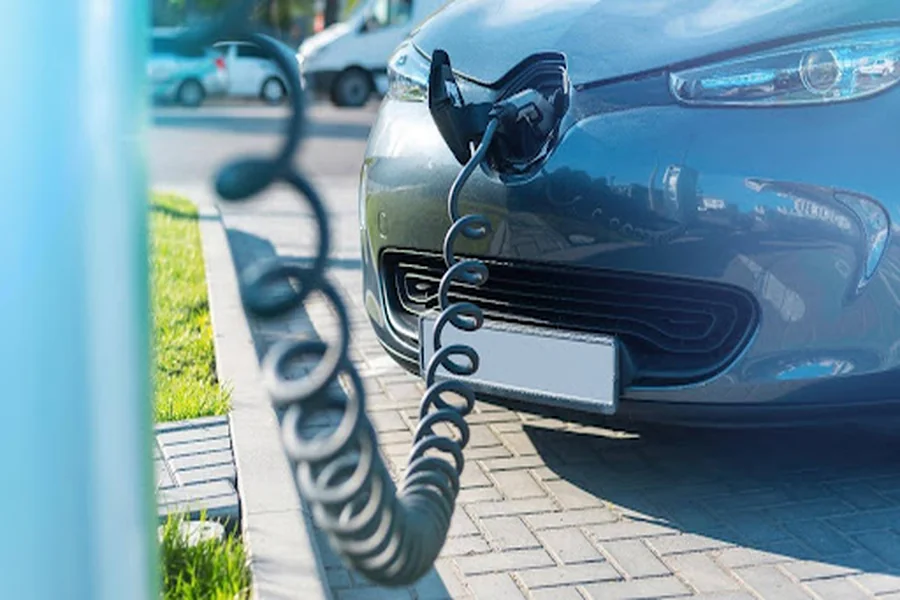
- A lack of extensive public charging infrastructure could limit the adoption of electric, driverless fleets.
3. Benefits of AI and Automation for Taxi Services
For Passengers
- Enhanced Convenience: AI-powered apps streamline booking, payment, and real-time ride tracking.
- Personalisation: AI analyses user preferences to provide tailored ride options, such as vehicle type or preferred routes.
- Affordability: Automation could lower operational costs, potentially making rides more affordable for Swindon residents.
For Taxi Operators
- Efficiency: Automated systems optimise routes and minimise idle times, boosting profitability.
- Safety Improvements: AI assists with collision avoidance and predictive maintenance, reducing accidents and breakdowns.
4. Challenges and Concerns for Swindon
Despite the benefits, the rise of AI and driverless cabs in Swindon comes with significant challenges:
Economic Impact on Drivers
- Autonomous vehicles could displace traditional taxi drivers, affecting livelihoods.
- Local taxi operators may face higher costs transitioning to automated fleets.
Infrastructure Requirements
- Swindon will need to invest in electric vehicle charging stations and 5G networks to support driverless technology.
- Regular road maintenance will be crucial for ensuring safe navigation by AI-powered vehicles.
Regulatory and Ethical Issues
- Legal frameworks around autonomous vehicles are still evolving, creating uncertainties for operators.
- Ethical concerns about data privacy and decision-making in AI systems may deter adoption.
5. FAQs About AI and Automation in the Taxi Industry
- When will driverless taxis become mainstream in the UK?
Driverless taxis are already being tested in cities like Milton Keynes, but widespread adoption may take another 5-10 years due to regulatory and infrastructure challenges. - How will automation affect taxi fares in Swindon?
Automation could lower fares by reducing labour and operational costs. However, initial investments in technology might result in higher prices during the early adoption phase. - Will traditional taxi drivers lose their jobs?
While some roles may be replaced, new opportunities could emerge in fleet management, maintenance, and AI system operations. - Can AI handle Swindon’s complex road infrastructure?
AI systems are being developed to navigate challenging environments like Swindon’s roundabouts, but real-world testing will be key to their success. - How can Swindon prepare for driverless taxis?
Swindon can invest in smart infrastructure, support pilot programmes for autonomous vehicles, and provide training for taxi operators to transition into new roles.
Conclusion
The future of taxis in Swindon lies at the intersection of AI innovation and local adaptability. While challenges remain, the integration of automation and driverless technology has the potential to make transport more efficient, accessible, and sustainable. By embracing these changes, Swindon could set an example for smaller towns navigating the shift to smarter urban mobility.
Will AI and driverless taxis reshape the way Swindon moves? Only time will tell, but the journey has already begun!