
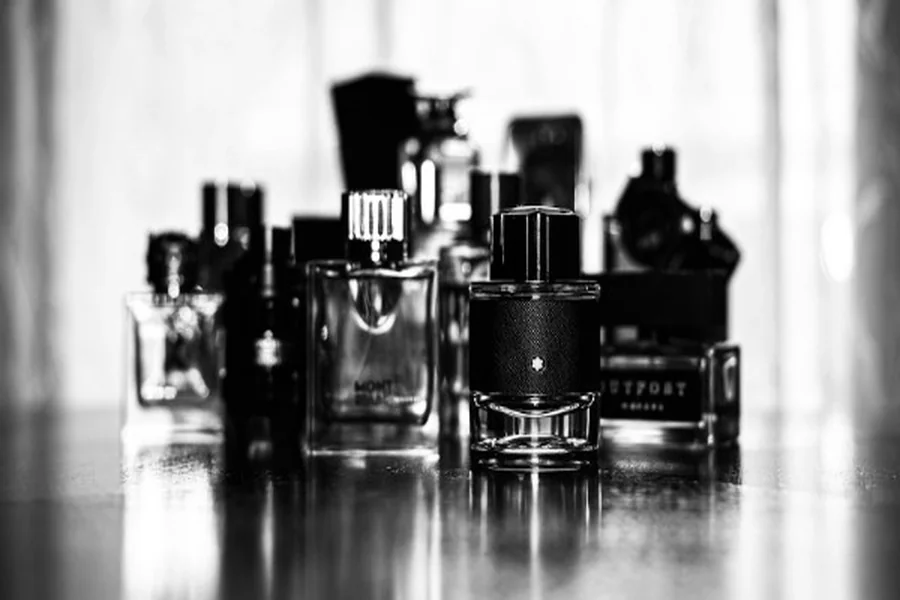
Why Perfume Myths Exist
Perfume has been around for centuries, and with it, countless myths and misconceptions. From how to apply it, to how long it should last, to what makes a fragrance “high quality”—there’s no shortage of advice. Unfortunately, much of it is wrong. These myths not only confuse people but also prevent them from getting the best out of their perfumes.
As more people explore variety and experiment by choosing to subscribe to perfumes monthly, separating fact from fiction becomes even more important. Understanding the truth behind perfume use ensures you get the full experience rather than falling victim to outdated rules.
Myth 1: Rubbing Perfume Makes It Last Longer
This is perhaps the most common mistake. Many people spray perfume on their wrists and then rub them together, believing it helps the fragrance “sink in.” In reality, this damages the perfume’s structure. Rubbing breaks down top notes and disrupts the scent’s evolution.
Truth: Spray and let the fragrance dry naturally on your skin. This allows it to transition smoothly through top, middle, and base notes, as intended by the perfumer.
Myth 2: Expensive Perfume Is Always Better
Price doesn’t automatically mean quality. Some expensive perfumes are worth every cent due to rare ingredients and artistry, but others rely heavily on branding. Likewise, affordable perfumes can sometimes surprise with creativity and longevity.
Truth: The best perfume for you is the one that works with your chemistry, not necessarily the one with the highest price tag. Testing through samples or a subscribe to perfumes monthly plan is the most effective way to find your perfect match.
Myth 3: Perfume Smells the Same on Everyone
Perfume develops differently on each person due to skin type, diet, hormones, and environment. That fragrance you loved on a friend may not smell the same on you.
Truth: Always test perfumes on your skin before committing. What matters most is how it evolves with your body chemistry.
Myth 4: Perfume Lasts Forever in the Bottle
Many assume that once bottled, perfume stays the same indefinitely. The reality is that perfume degrades over time, especially if stored improperly. Light, heat, and air exposure all shorten its lifespan.
Truth: Store perfume in a cool, dark place away from sunlight. When properly cared for, a bottle can last several years, but not forever.
Myth 5: More Sprays Equal More Impact
Over-spraying doesn’t make perfume more effective—it just overwhelms people around you. Perfume is designed to be experienced in subtle waves, not in suffocating clouds.
Truth: Two to four sprays on pulse points are enough for most fragrances. If you want longevity, focus on technique rather than quantity.
Myth 6: Perfume Should Only Be Sprayed on Skin
While skin is the best surface for perfume development, it’s not the only option. Perfume can also be lightly applied to hair and clothing, where it often lingers longer.
Truth: Fabrics like scarves or coats hold scent beautifully. Hair absorbs fragrance well too—just avoid spraying directly to prevent dryness.
Myth 7: You Need One Signature Scent
The idea of a single “signature scent” has been romanticized for decades. While some people enjoy the consistency, there’s no rule saying you must stick to just one.
Truth: Fragrance is situational. Lighter perfumes may suit daytime, while richer ones shine at night. Being flexible allows you to adapt to mood, season, and environment. A cologne subscription makes this easy, giving you new perfumes each month to rotate.
Myth 8: Perfume Works Best When Sprayed in the Air and Walked Through
The “cloud” method is often promoted in beauty magazines, but it’s wasteful. Most of the perfume falls to the ground rather than settling on your skin.
Truth: Direct application to pulse points or clothing is far more effective and ensures longevity.
Myth 9: Perfume Notes Define Gender
For years, marketing divided perfumes into “for men” and “for women.” In reality, fragrance notes themselves have no gender. A rose can smell just as bold on a man, and leather can be elegant on a woman.
Truth: Choose perfumes based on what appeals to you, not outdated labels. Modern perfumery is increasingly genderless, celebrating individual preference over categories.
Myth 10: Stronger Smell Equals Better Quality
Some believe that the more intense a perfume smells, the better it must be. In truth, intensity has nothing to do with craftsmanship. Quality lies in balance, creativity, and how well the perfume evolves over time.
Truth: A subtle fragrance can be just as masterfully made as a powerful one. Longevity and complexity are better measures of quality than sheer strength.
Why Myths Hold Us Back
Perfume is both art and science, yet myths often reduce it to superstition. Believing in these misconceptions can stop you from enjoying fragrance fully, either by applying it incorrectly, overspending, or limiting your exploration.
Perfume should be about expression, discovery, and emotion. Dispelling myths opens the door to creativity and confidence in how you wear scent.
Building a Smarter Perfume Routine
- Test widely: Don’t assume a perfume works because it smells good on paper.
- Rotate with purpose: Different settings call for different fragrances.
- Respect storage: Protect your perfumes from light and heat.
- Stay curious: Trends and personal tastes evolve—your perfume collection can too.
With options to subscribe to perfumes monthly, building a diverse collection that grows with you is more practical than ever. Myths belong in the past; the future of fragrance is about freedom, experimentation, and self-expression.