
End-to-End Erosion Control Services: Ensuring Regulatory Compliance and Environmental Protection in Construction
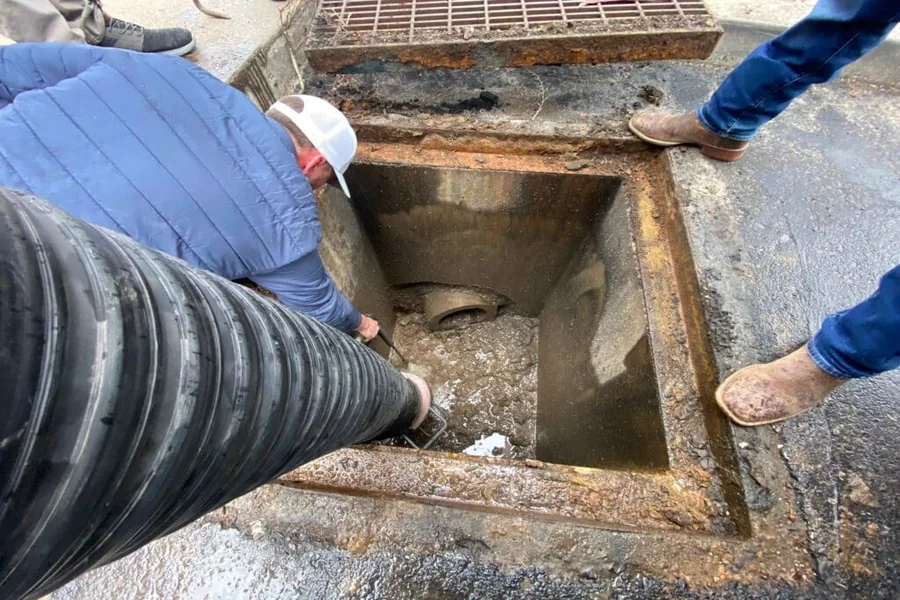
Construction projects can reshape communities, but they can also disturb soil, increase runoff, and create pollution risks if not managed properly. That is why erosion control and environmental compliance services are essential from the first day of site preparation to final stabilization. Companies like Syman play a key role in helping contractors manage this process. With expertise in SWPPP design, BMP installation, site inspections, hydroseeding, and regulatory compliance consulting, Syman provides complete site stabilization solutions that help construction teams meet federal and state standards while protecting surrounding land and water.
One of the most effective tools in erosion control is hydroseeding. This method sprays a mixture of seed, mulch, fertilizer, and water over prepared soil to create fast and even vegetation growth. In growing regions where development is active, services such as Boise hydroseeding are especially valuable for stabilizing slopes, embankments, and large open areas. Hydroseeding is cost-effective compared to sod, and it works well on uneven terrain where traditional planting methods are difficult. When applied correctly, it reduces soil loss, limits dust, and supports long-term vegetation growth that keeps the site stable.
The Role of SWPPP in Erosion Control
A Stormwater Pollution Prevention Plan (SWPPP) is the foundation of environmental compliance for most construction projects. This document outlines how a site will control stormwater runoff and prevent pollutants from leaving the property. SWPPP design includes mapping drainage patterns, identifying risk areas, and selecting the right Best Management Practices (BMPs) for the site.
A well-prepared SWPPP does more than meet paperwork requirements. It helps contractors plan ahead and avoid costly violations. By clearly defining inspection schedules, maintenance steps, and emergency procedures, it ensures that erosion control measures stay effective throughout the project. Professional guidance in SWPPP design gives contractors confidence that their plans align with both federal regulations, such as those under the Clean Water Act, and state-specific requirements.
BMP Installation for Active Protection
Best Management Practices are the physical controls used to reduce erosion and manage runoff. These can include silt fences, straw wattles, inlet protection systems, erosion control blankets, and temporary construction fencing. Proper installation is critical. Even the best-designed plan can fail if BMPs are not installed correctly or maintained over time.
Experienced teams understand how to place and secure these controls based on soil type, slope, and weather conditions. For example, silt fences must be trenched into the ground to prevent water from flowing underneath. Erosion control blankets need to be tightly anchored to avoid lifting during heavy rain. Attention to detail during installation helps prevent sediment from entering storm drains, nearby streams, and public infrastructure.
Comprehensive Environmental Installation and Site Stabilization
Beyond basic BMP setup, many projects require broader environmental installation services to fully stabilize a site. These services include large-scale erosion control systems, reinforced matting, inlet protection, and other structural measures designed to support compliance goals. When integrated with hydroseeding and proper grading, these systems create layered protection against soil loss.
This comprehensive approach ensures that each part of the site works together. Temporary controls manage immediate runoff, while long-term vegetation solutions provide lasting stability. By combining planning, installation, and follow-up care, contractors can reduce risks and keep projects on schedule without environmental setbacks.
Site Inspections and Ongoing Compliance Support
Erosion control is not a one-time task. Regulations often require regular site inspections, especially after major storm events. Inspections confirm that BMPs remain in place and function as intended. They also identify areas where repairs or adjustments are needed.
Professional inspection services help contractors stay ahead of potential problems. Inspectors document site conditions, provide clear reports, and recommend corrective actions when necessary. This documentation is important during audits or regulatory reviews. Compliance consulting services further support contractors by interpreting changing regulations and advising on best practices. With expert support, construction managers can focus on project timelines while staying confident in their environmental responsibilities.
Benefits of End-to-End Erosion Control Services
Choosing a provider that offers complete erosion control and compliance support delivers several advantages:
- Streamlined coordination between planning, installation, and inspections
- Reduced risk of fines or stop-work orders
- Improved environmental protection and community trust
An end-to-end approach also saves time. Instead of managing multiple vendors, contractors work with one experienced partner who understands the full scope of site stabilization. This integrated service model reduces miscommunication and ensures that every stage of the project aligns with regulatory standards.
Protecting the Environment While Building the Future
Modern construction must balance growth with environmental responsibility. Soil erosion, sediment runoff, and stormwater pollution can damage ecosystems and create legal challenges if not properly controlled. By investing in professional erosion control services, contractors protect both their projects and the surrounding environment.
From SWPPP design and BMP installation to hydroseeding and ongoing compliance consulting, a comprehensive strategy supports safe and responsible development. Companies with proven expertise help construction teams meet strict federal and state requirements while maintaining efficient operations. In the end, strong erosion control is not just about meeting regulations—it is about building in a way that respects natural resources and supports sustainable progress.
Conclusion
End-to-end erosion control services are essential for today’s construction industry. With careful planning, expert installation, and ongoing compliance support, contractors can prevent soil loss, manage stormwater, and meet regulatory standards with confidence. By partnering with experienced providers that offer complete site stabilization solutions, construction projects can move forward efficiently while protecting the environment for future generations.