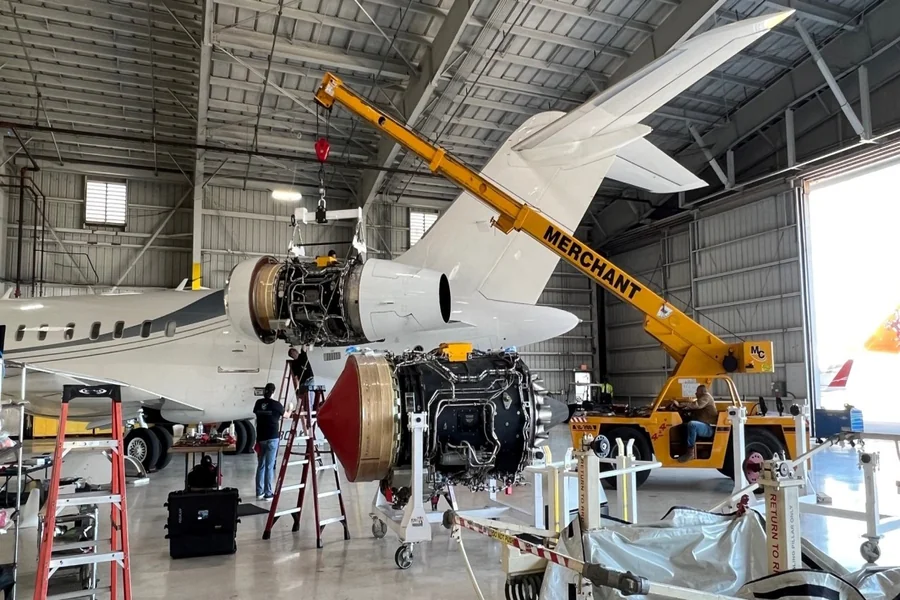
When you step aboard a private jet, you’re placing extraordinary trust in that aircraft’s ability to get you safely to your destination. Behind every seamless flight lies a comprehensive maintenance program designed to catch and resolve potential issues before they ever become safety concerns. Private aviation operates under incredibly strict regulatory standards that put passenger safety first, always. Understanding what goes into these maintenance protocols gives you real insight into the multi-layered approach protecting everyone on board. The rigorous processes involved in maintaining these aircraft make certain that safety remains paramount throughout every single phase of operation.
Scheduled Inspections and Regulatory Compliance
Private jet maintenance follows a highly structured schedule that aviation authorities like the Federal Aviation Administration mandate down to the smallest detail. These inspections happen at predetermined intervals, based on flight hours, calendar time, or specific operational cycles. What does this mean for you? You’re benefiting from various levels of checks that range from simple daily walk-arounds all the way up to extensive annual inspections examining every system and component. During these scheduled evaluations, technicians verify that all mechanical, electrical, and structural elements meet both manufacturer specifications and regulatory requirements.
Critical System Testing and Component Replacement
Your safety hinges on the reliable operation of multiple interconnected systems controlling navigation, communication, hydraulics, and propulsion. Maintenance programs include regular testing of these critical systems to verify their performance under various conditions. Technicians rely on specialized diagnostic equipment to spot degradation in components before they fail completely. Here’s something that might surprise you: many parts have manufacturer-specified service lives requiring replacement regardless of their apparent condition, which means worn components never reach a point where they’d compromise safety. Electrical systems get particular attention because power distribution failures can affect multiple aircraft functions simultaneously. When testing electrical systems, professionals verifying power reliability often source components like a quality cessna 172 battery to ensure consistent performance across different aircraft platforms. The testing protocols are so thorough that they often reveal minor discrepancies that would go completely unnoticed during normal operations. This proactive replacement strategy eliminates the risk of in-flight failures that could jeopardize passenger safety.
Maintenance Personnel Qualifications and Training
The individuals responsible for maintaining private jets undergo extensive training and certification processes before they’re ever allowed to work on aircraft. You can rest assured that certified aviation maintenance technicians possess both the knowledge and skills necessary to perform complex repairs and inspections. These professionals must complete rigorous educational programs and pass comprehensive examinations administered by aviation authorities. Continuing education requirements keep maintenance personnel current with evolving technologies and new maintenance procedures. Specialized training is often required for specific aircraft models since each type has unique systems and maintenance requirements. The qualification standards for maintenance personnel are actually comparable to those for pilots, which reflects just how critical their responsibilities are. This expertise translates directly into safer aircraft and more reliable operations for you as a passenger.
Documentation and Traceability in Maintenance Records
Every single maintenance action performed on a private jet gets meticulously documented to create a complete history of that aircraft’s condition and service. You’re protected by a system that tracks every component installed on the aircraft, including its origin, service life, and maintenance history. This documentation allows maintenance teams to identify patterns that might indicate emerging problems with specific systems or components. According to the Aircraft Owners and Pilots Association, proper maintenance record keeping is essential for ensuring continued airworthiness and demonstrating compliance with regulatory requirements.
Preventive Maintenance and Proactive Safety Measures
Beyond reactive repairs, private jet maintenance programs emphasize preventive measures that address potential issues before they develop into safety concerns. You benefit from regular lubrication of moving parts, calibration of instruments, and replacement of consumable items that prevent premature wear. These preventive actions extend the service life of major components while simultaneously reducing the likelihood of unexpected failures. Maintenance teams analyze trends in component performance to predict when parts may need attention, even before scheduled replacement intervals arrive. Environmental factors such as temperature extremes, humidity, and salt exposure receive special consideration in maintenance planning. The preventive approach includes regular cleaning and corrosion control measures protecting aircraft structures from deterioration. This forward, thinking strategy creates multiple layers of protection working together to maintain the highest possible safety standards.
Advanced Technology and Diagnostic Tools
Modern maintenance operations leverage sophisticated technology to detect problems that would be impossible to identify through visual inspection alone. You’re safer because technicians use non-destructive testing methods, such as ultrasound, eddy current, and radiography, to examine internal structures without disassembling components. Advanced diagnostic software monitors engine parameters and flight control systems to identify subtle changes indicating developing problems. These tools provide objective data that supplements the expertise of maintenance personnel and enhances their ability to make informed decisions.
Conclusion
The safety of private jet passengers depends on comprehensive maintenance programs combining regulatory compliance, skilled personnel, and advanced technology. Your confidence in private aviation is well-founded because these maintenance protocols create multiple overlapping safety nets protecting against potential hazards. The investment that operators make in maintaining their aircraft reflects their genuine commitment to providing safe transportation for every passenger on every flight. Understanding these maintenance processes reveals the extraordinary level of care and attention devoted to keeping private jets airworthy. The rigorous standards and proactive approaches used in private aviation maintenance ensure that safety remains the cornerstone of every operation.