
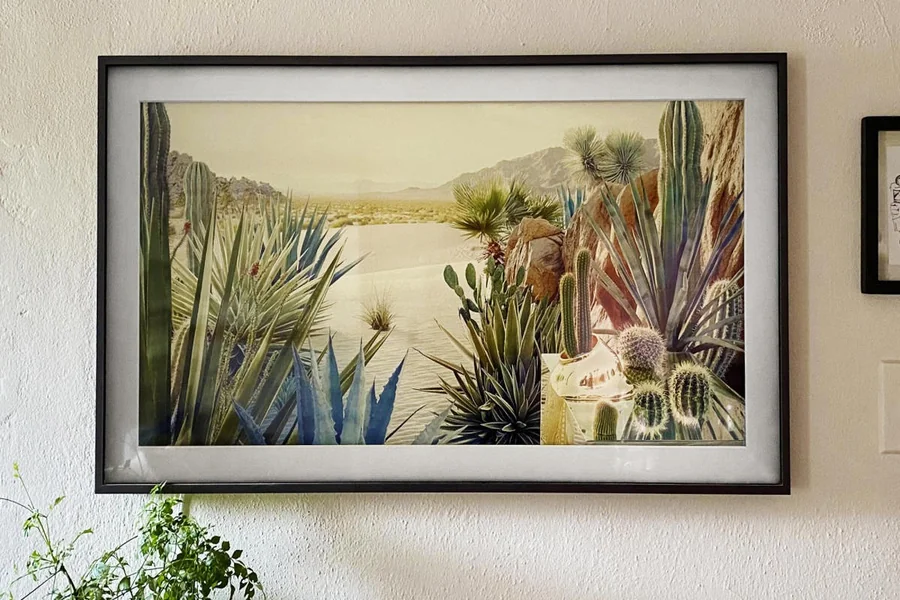
Art mode functionality distinguishes Samsung Frame televisions from conventional displays by enabling continuous artwork presentation that transforms screens into functional room decor elements. This distinctive feature requires strategic optimization to balance aesthetic appeal, energy efficiency, and equipment longevity considerations. Samsung Frame TV frames enhance art mode effectiveness through intelligent configuration approaches that maximize visual impact while preserving display components and minimizing power consumption. Proper optimization techniques enable users to enjoy continuous artwork displays without compromising television performance or dramatically increasing energy usage.
Intelligent brightness optimization
- Automatic brightness adaptation responds to changing room lighting conditions throughout daily cycles while maintaining optimal visual presentation and energy efficiency. Built-in ambient light sensors monitor surrounding illumination levels and adjust display brightness accordingly to prevent excessive power consumption during well-lit periods.
- Dynamic brightness scaling reduces display intensity during evening hours when lower settings provide sufficient visibility while significantly decreasing power consumption and component stress. Intelligent scaling algorithms balance visual appeal with longevity considerations by preventing unnecessarily bright operation that accelerates display ageing.
- Manual brightness controls enable fine-tuning for specific room environments and artwork types while providing awareness of power consumption implications for extended operation periods. Lower brightness settings dramatically extend display component lifespan while reducing energy requirements during continuous art mode usage.
Advanced power management systems
Occupancy-based activation utilizes motion sensors and presence detection technology to activate art mode displays when rooms are occupied while entering sleep modes during vacant periods. This intelligent activation prevents unnecessary display operation while maintaining immediate responsiveness when household members enter viewing areas. Intelligent presence detection can reduce total power consumption significantly while preserving the always-available artwork experience. Scheduled sleep modes enable predictable power conservation during overnight hours or extended absence periods when artwork displays provide minimal value. Customizable scheduling accommodates individual household patterns while ensuring automatic reactivation during desired viewing periods.
Display longevity protection
- Image rotation protocols prevent static content burn-in that can permanently damage display panels during extended art mode operation with identical artwork presentations. Automated rotation schedules ensure pixel usage distribution across display surfaces while maintaining visual interest through the varied content presentation.
- Colour temperature management optimizes display output to reduce component stress while maintaining accurate artwork reproduction that preserves artistic intent. Proper colour calibration balances visual fidelity with panel longevity by preventing excessive colour saturation that can accelerate component ageing. Intelligent temperature control adapts display characteristics to extend service life while maintaining professional artwork presentation standards.
- Heat dissipation considerations ensure optimal operating temperatures that preserve electronic components and display panels during continuous art mode operation. Proper ventilation planning prevents thermal buildup that could affect reliability while maintaining optimal performance characteristics.
Content and storage efficiency
- Artwork compression optimization balances image quality with storage requirements and processing demands that affect overall system performance during art mode operation. Efficient compression reduces storage space requirements while minimizing processing overhead that could impact power consumption.
- Content library organization streamlines artwork access and reduces processing delays that can affect user experience while minimizing unnecessary system overhead. Well-organized libraries enable quick content transitions while reducing computational demands during artwork changes.
- Caching strategies improve response times while reducing storage access requirements that affect power consumption during frequent artwork changes. Intelligent caching anticipates content needs and preloads popular artwork options to minimize processing delays.
Effective Samsung Frame TV art mode optimization requires comprehensive approaches that balance visual appeal with equipment preservation and energy efficiency. These strategies enable continuous artwork enjoyment while maintaining television performance and protecting long-term investment value through responsible usage practices.